


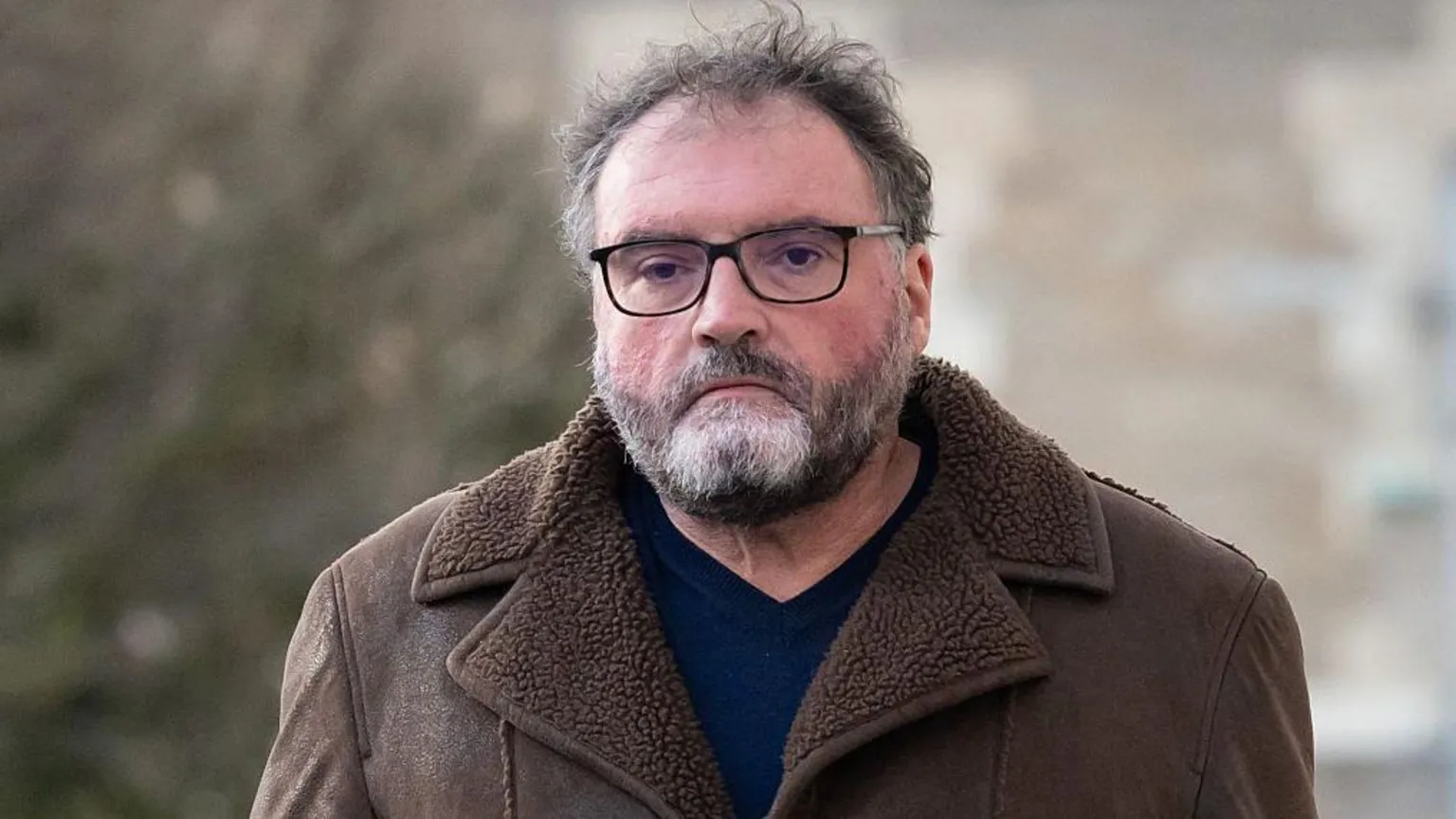
A former French anaesthetist, Frédéric Péchier, has been sentenced to life imprisonment for deliberately poisoning 30 patients, 12 of whom died as a result.
The 53-year-old was convicted on Friday after a four-month trial in Besançon, eastern France. In what is regarded as one of the country’s most serious medical malpractice cases, the court found that Péchier injected substances such as potassium chloride and adrenaline into patients’ infusion bags during surgery.
The poisoned chemicals caused cardiac arrests or severe haemorrhaging, forcing emergency interventions in operating theatres. In many cases, Péchier himself stepped in to resuscitate patients, allowing him to present himself as their saviour. However, in 12 instances, the patients died before help could be effective.
Among the victims was a four-year-old child who survived two cardiac arrests during a routine tonsil operation in 2016, while the oldest victim was 89. Prosecutors described Péchier as “Doctor Death,” accusing him of bringing disgrace to the medical profession.
The prosecution argued that Péchier’s motive was to undermine fellow anaesthetists against whom he harboured personal grudges. In most cases, he was not the primary anaesthetist and was alleged to have accessed the clinic early to tamper with infusion bags before procedures began. When complications arose, he would diagnose the issue and order the antidote.
Péchier first came under investigation in 2017 following a suspicious case involving excessive potassium chloride found in an infusion bag after a patient suffered a cardiac arrest during surgery. Investigators later uncovered an alarming pattern of unexplained medical emergencies at the Saint-Vincent private clinic in Besançon, where fatal cardiac incidents under anaesthesia were more than six times the national average.
The pattern appeared to follow Péchier’s movements between clinics. Serious incidents declined when he temporarily left Saint-Vincent and increased at another clinic where he worked. When he returned, the emergencies resumed. The anomalies stopped entirely after he was barred from practising in 2017.
During the trial, Péchier denied poisoning patients and insisted he had upheld the Hippocratic oath, although his testimony shifted over time. He eventually conceded that someone must have been poisoning patients, but maintained that it was not him.
The court sentenced Péchier to life in prison, with a minimum term of 22 years. He has 10 days to appeal, which would trigger a retrial. Victims and survivors welcomed the verdict, with one saying it marked “the end of a nightmare.”