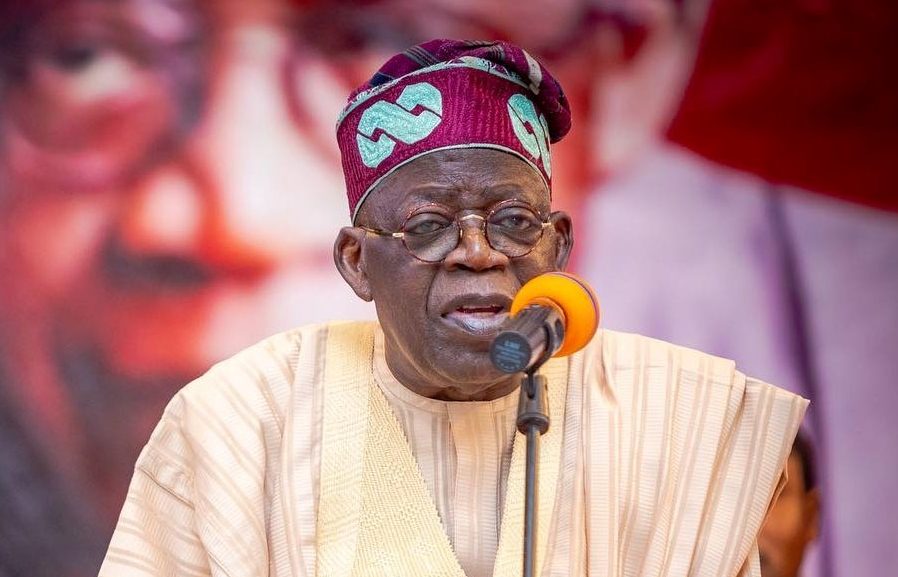


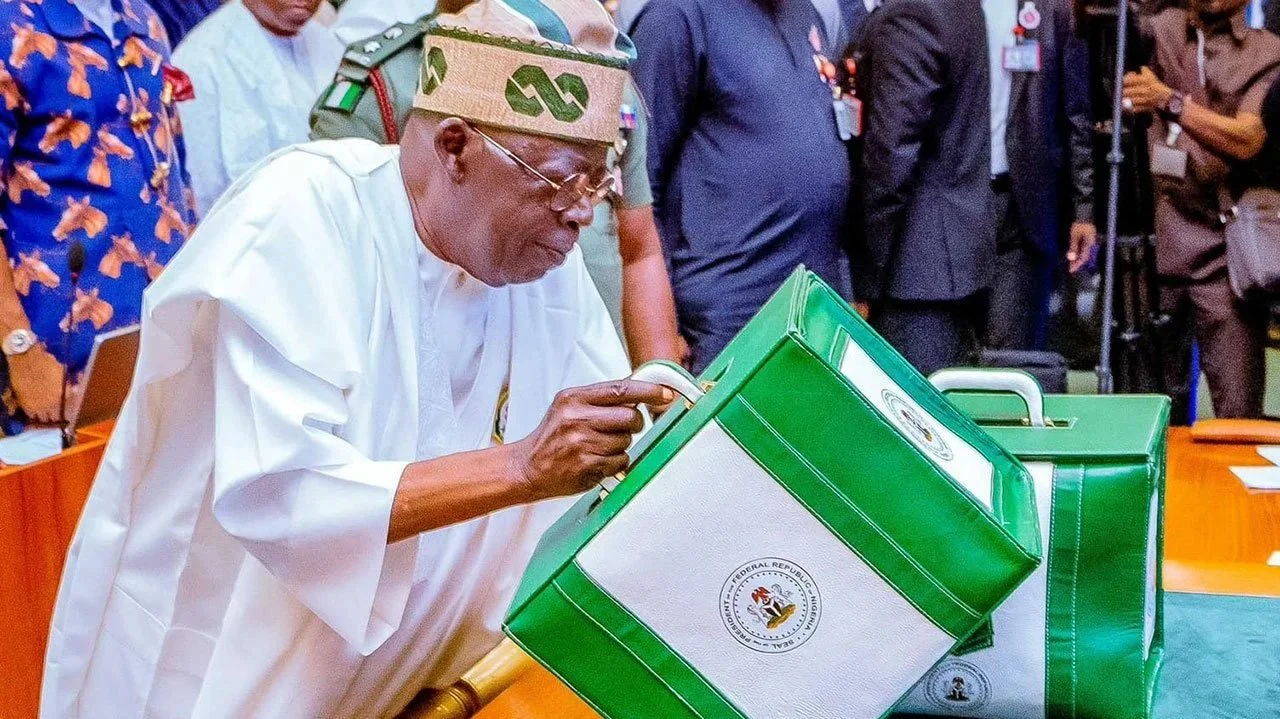
President Bola Tinubu on Friday presented the 2026 Federal Budget, describing it as a fiscal plan anchored on realism, prudence and economic growth.
Key Budget Estimates
- Total projected revenue: ₦34.33 trillion
- Total expenditure: ₦58.18 trillion
- Debt servicing: ₦15.52 trillion
- Recurrent (non-debt) expenditure: ₦15.25 trillion
- Capital expenditure: ₦26.08 trillion
- Budget deficit: ₦23.85 trillion, equivalent to 4.28% of GDP
The President noted that the figures reflect national priorities and reaffirm the government’s commitment to fiscal sustainability, debt transparency and value-for-money spending.
Macroeconomic Assumptions
The budget is guided by the 2026–2028 Medium-Term Expenditure Framework (MTEF) and Fiscal Strategy Paper, based on:
- Crude oil benchmark: $64.85 per barrel
- Oil production: 1.84 million barrels per day
- Exchange rate: ₦1,400 to the US dollar
Tinubu assured Nigerians that his administration would continue to reduce waste, strengthen financial controls and ensure that borrowed funds translate into tangible public benefits.
Sectoral Allocations
Key spending priorities under the Renewed Hope Agenda include:
- Defence and security: ₦5.41 trillion
- Infrastructure: ₦3.56 trillion
- Education: ₦3.52 trillion
- Health: ₦2.48 trillion
The President stressed that these sectors are interconnected, noting that security is essential for investment, education and health are vital for productivity, and infrastructure is critical for job creation and economic expansion.
He concluded that the 2026 Budget is designed as a coherent programme for national renewal, aimed at delivering inclusive growth and long-term stability.