


Government Claims Demolitions Are For Public Safety, Not Punitive Action Against the Poor
The Lagos State Government has defended its controversial decision to demolish structures in Makoko and other waterfront communities, stating that the move is aimed at protecting lives, properties, and the environment. In a live X-space discussion (formerly Twitter Spaces) on the weekly Ask Lagos show, government officials addressed the criticisms and concerns raised by residents and activists.
Gbenga Omotoso, the Commissioner for Information and Strategy, and Olajide Abiodun Babatunde, the Special Adviser to the Governor on e-GIS and Urban Development, both participated in the discussion, emphasizing that the demolitions are a necessary step toward a safer and more sustainable Lagos.
The demolitions, which have displaced thousands of residents, especially in the historic Makoko community, have sparked backlash, with many accusing the government of targeting poor residents. However, Omotoso dismissed these accusations, stating that the demolitions were driven by public safety concerns, particularly the dangers posed by illegal structures built under high-tension power lines and along vital waterways.
“No responsible government anywhere in the world can allow people to live directly under high-tension cables or obstruct vital waterways,” Omotoso explained. “These actions are not punitive. They are preventive — to protect lives, avert disasters, and secure the future of Lagos.”
Criticism Over Lack of Notice:
The government has faced criticism for not providing sufficient notice to the affected residents before the demolitions began. Omotoso addressed this concern by stating that the government had been engaging with the affected communities for over five years. He highlighted that the law stipulates that buildings must be at least 250 meters away from high-tension power lines, a guideline that many residents had ignored. The government has argued that the risks of not adhering to this law could lead to catastrophic disasters, especially if a power line were to fall into the lagoon.
Babatunde on Urban Regeneration:
Olajide Abiodun Babatunde, an expert in e-GIS mapping and urban development, framed the demolitions as part of a broader urban regeneration plan designed to transform Lagos into a resilient, investment-friendly megacity. He pointed to the successful relocation of residents from Oko Baba to new, purpose-built estates with modern amenities as an example of how the government is committed to providing better living conditions for displaced individuals.
“The government is not leaving anyone behind,” Babatunde asserted. “Hundreds of housing units have been provided, ensuring that those affected by the demolitions are not left without options. This is all part of a larger master plan for a sustainable and safe city.”
He also urged developers and residents to adhere to regulations and due process to avoid such situations in the future, emphasizing that urban development is about building sustainably for the future.
Controversial Aspects of the Demolitions:
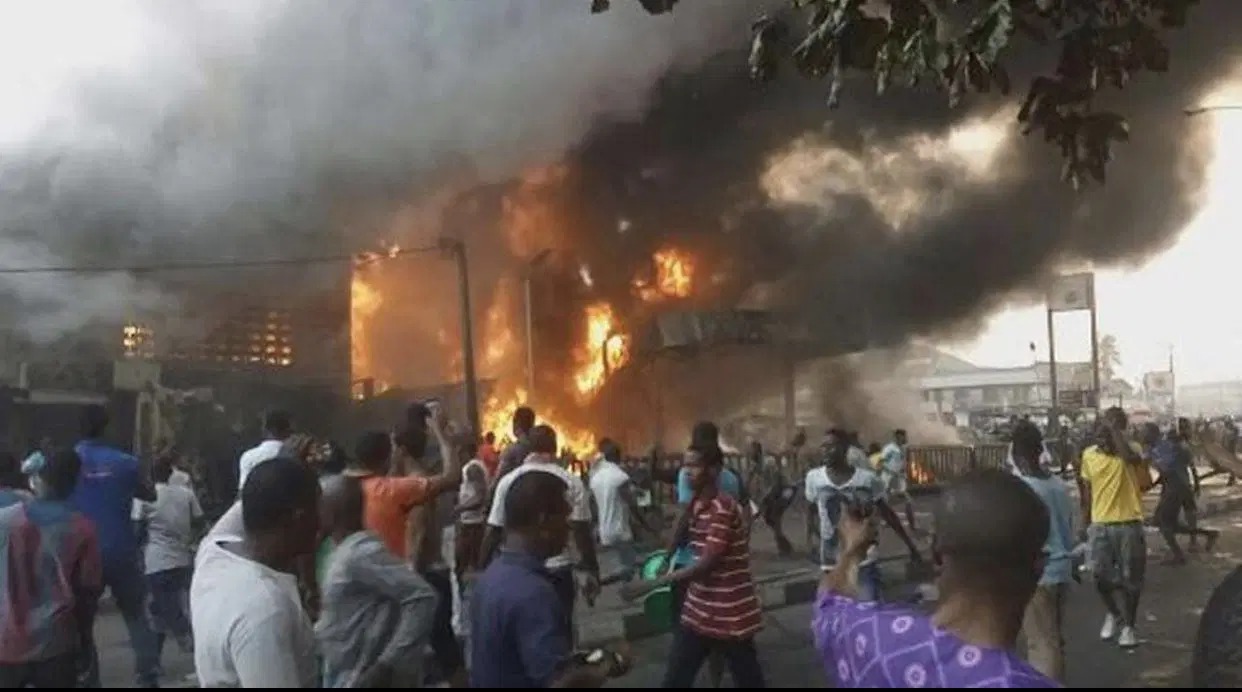
Despite the government’s defense, the demolitions have been met with accusations of heavy-handed enforcement, including the use of armed security personnel, tear gas, and bulldozers to destroy homes. There have been reports of casualties, injuries, and destruction of essential facilities such as schools, clinics, and places of worship. Some residents have alleged that the government used safety regulations as a pretext to grab land for private interests.
The Makoko community, which has a history of over 100 years and is home to over 100,000 residents, has been especially hard hit. Since December 2025, more than 3,000 homes have been demolished, and over 10,000 people displaced.
Some non-governmental organizations (NGOs) and residents argue that the demolitions amount to “class cleansing,” but government officials maintain that failure to act could lead to disasters far worse than displacement. Omotoso stressed the need for a balanced perspective, calling on residents to focus on facts and collaborative solutions rather than speculation and division.
Key Points:
- Makoko demolitions are part of a broader plan for urban regeneration and safety.
- Government officials defend the actions as essential to public safety, environmental protection, and avoiding future disasters.
- Over 10,000 people displaced, with 3,000 homes destroyed since December 2025.
- Government offers alternative housing options, citing successful precedents like Oko Baba relocation.
- Despite the government’s stance, the demolitions remain a point of contention for residents and activists, with accusations of land grabbing and heavy-handed enforcement.
While the Lagos State Government insists the demolitions are necessary for the city’s future, the emotional and social impact on displaced residents is a complex issue that continues to divide opinion in the megacity.