
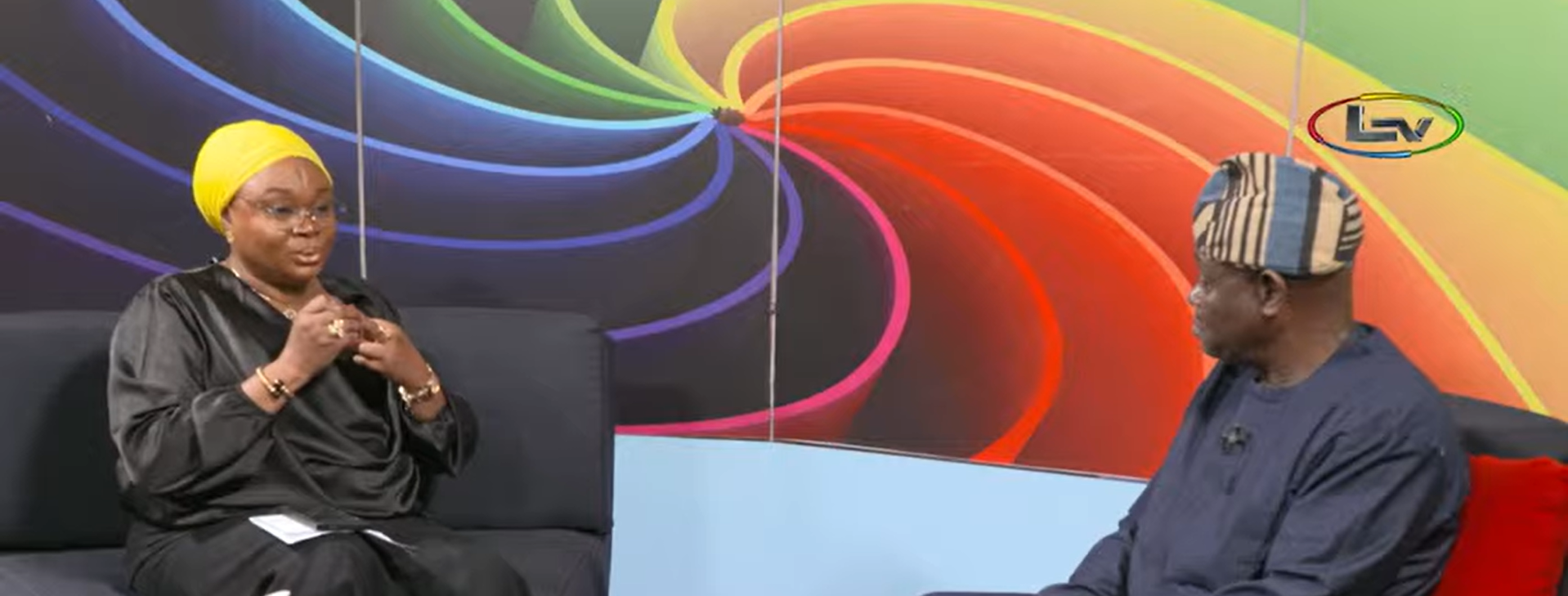
Dr. Taiwo Salaam, transport expert and former Head of the Department of the School of Transport Technology and Infrastructure at Lagos State University (LASU), has stated that solving the persistent traffic congestion in Lagos State requires a drastic shift in public attitude alongside aggressive digital enforcement. Speaking on the public affairs program The Conversation during a segment with the topic Lagos and Effective Traffic Management, Dr. Salaam argued that attitudinal reform accounts for 90 percent of the battle against road gridlock in the metropolis.
Reflecting on the historical growth of vehicular traffic since Nigeria transitioned from right- to left-hand drive in 1973, Dr. Salaam noted that infrastructure expansion alone has historically failed to curb congestion. Interventions such as the construction of circular roads, the odd-and-even license-plate rationing system, and park-and-ride schemes were consistently undermined as population inflows surged and motorists sought shortcuts, including purchasing multiple vehicles to circumvent regulations.
Addressing current challenges posed by commercial paratransit operators, including Danfo and Korope minibusses, Dr. Salaam cautioned against calls for their outright elimination, noting that the informal transport sector handles approximately 93 percent of passenger volume in the state. While acknowledging that rogue maneuvers, such as creating unauthorized extra lanes, worsen gridlock, he emphasized that government bus fleets cannot meet commuter demand overnight, making structured integration and cooperative union models far more viable than bans.
Dr. Salaam also called for an urgent review of conduct on both sides of the enforcement divide, highlighting the severe physical risks that traffic management officers face, as well as the counterproductive, manual checkpoint stops staged by various regulatory agencies. Instead of physical confrontations and roadside impoundments on major corridors, he advocated for a unified, multi-agency framework anchored by Automated Number Plate Recognition (ANPR) systems linked directly to driver’s licenses and bank accounts.
Commending recent multimodal milestones under the state’s transport master plan, such as the Blue Line rail, electric and CNG bus rollouts, and the expansion of water transit networks, Dr. Salaam maintained that functioning road appurtenances must support physical infrastructure. He stressed that adequate street lighting, clear lane markings, working signals, and standard right-of-way discipline at intersections remain indispensable to ensuring free-flowing transit across the state.