
Millions of Nigerian school children across 26 states are gaining access to digital education through the Nigeria Learning Passport (NLP). In partnership with UNICEF, Airtel Nigeria is leveraging zero-rated (data-free) connectivity to widen access to educational resources, boost academic performance and equip young people particularly girls with essential digital skills.
Hosted officially by the Federal Ministry of Education, the NLP is an online, mobile and offline digital learning platform providing over 15,000 curriculum-aligned resources in English, Hausa, Igbo, and Yoruba across all basic education levels. Originally launched to bridge learning gaps during COVID-19 lockdowns, it has now expanded to over 1,600 schools nationwide as part of the country’s public education infrastructure.
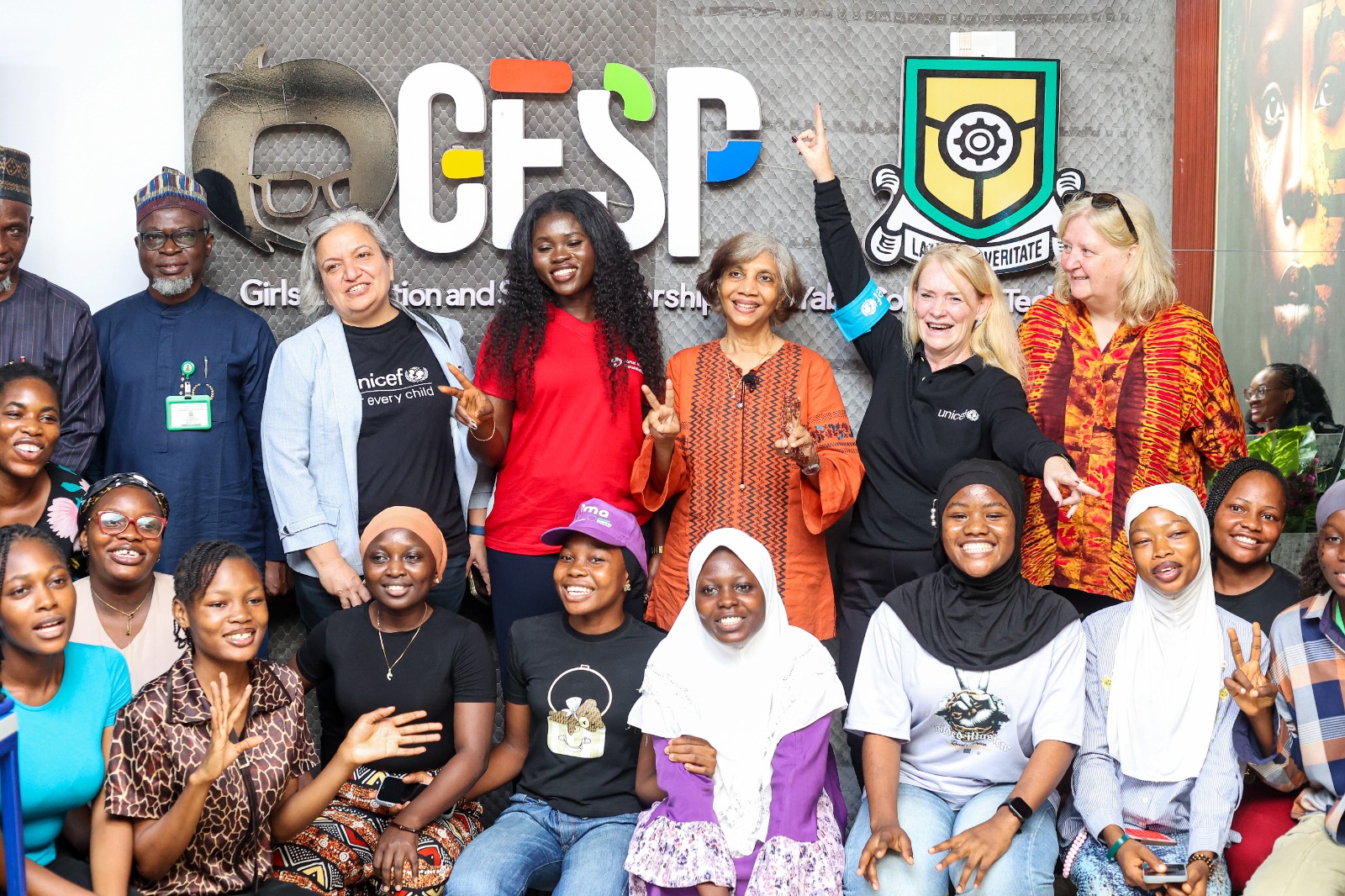
During a recent evaluation tour of selected institutions in Lagos State including Senior Government College in Iyana-Ipaja, St. George’s U.N.A. Primary School in Ipaja and Yaba College of Technology delegates assessed how digital platforms are impacting learning outcomes.
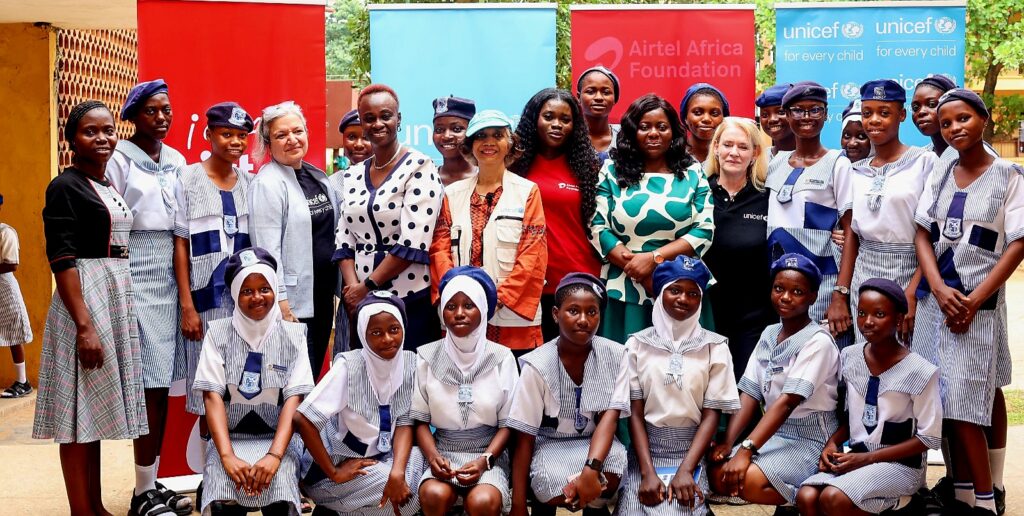
UNICEF Nigeria Deputy Representative,Dr. Rownak Khan praised the enthusiasm of students acquiring technical skills and highlighted the critical role of corporate partnership.
“Our biggest appreciation goes to Airtel Nigeria for this partnership… Airtel has supported us with zero-rating, providing free access so these girls can learn the skills they need to prepare for school and their future careers,” Khan stated.
The initiative places a strong emphasis on driving digital inclusion for girls, who have historically faced barriers in technology fields.
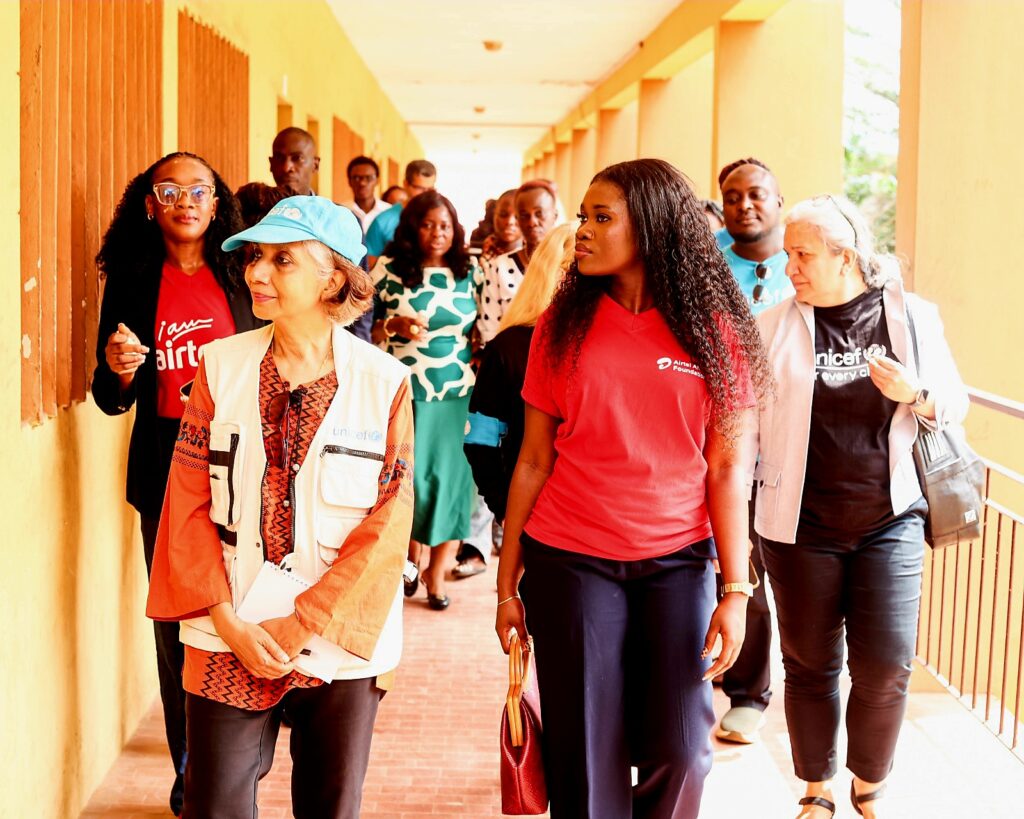
Head of Programmes at the Airtel Africa Foundation,Esi Asare Prah noted that digital literacy is vital in an AI-driven world. She emphasized that the Airtel Africa Foundation is focused on four core pillars;
Strengthening digital infrastructure,extending access to rural communities,empowering marginalized groups and promoting long-term educational equity
Young Learners can study freely and immediately apply what they absorb with an Airtel connection without data fees.
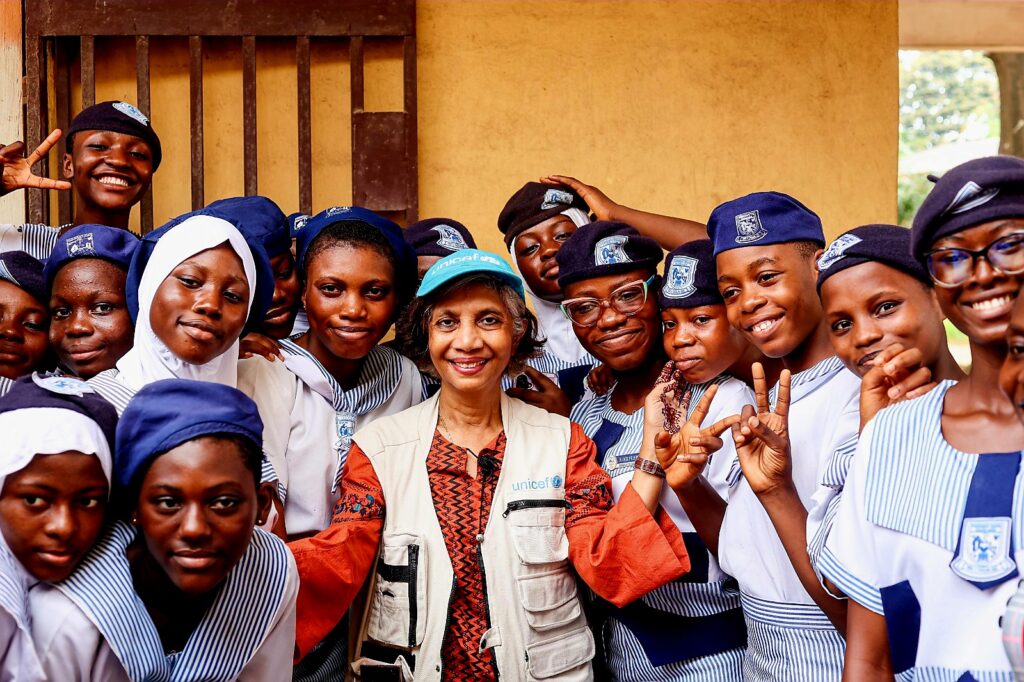
Students report that data-free access allows them to revisit classroom lessons at home and master difficult subjects.
Head Girl at Government Senior College,Tosin Adeola, shared that the NLP has noticeably improved students’ study habits and overall academic performance by complementing hands-on classroom instruction.
With the NLP already active in 26 states, UNICEF and its government partners aim to continue expanding the platform until every child in Nigeria has equal access to quality digital learning, regardless of location or economic background.