

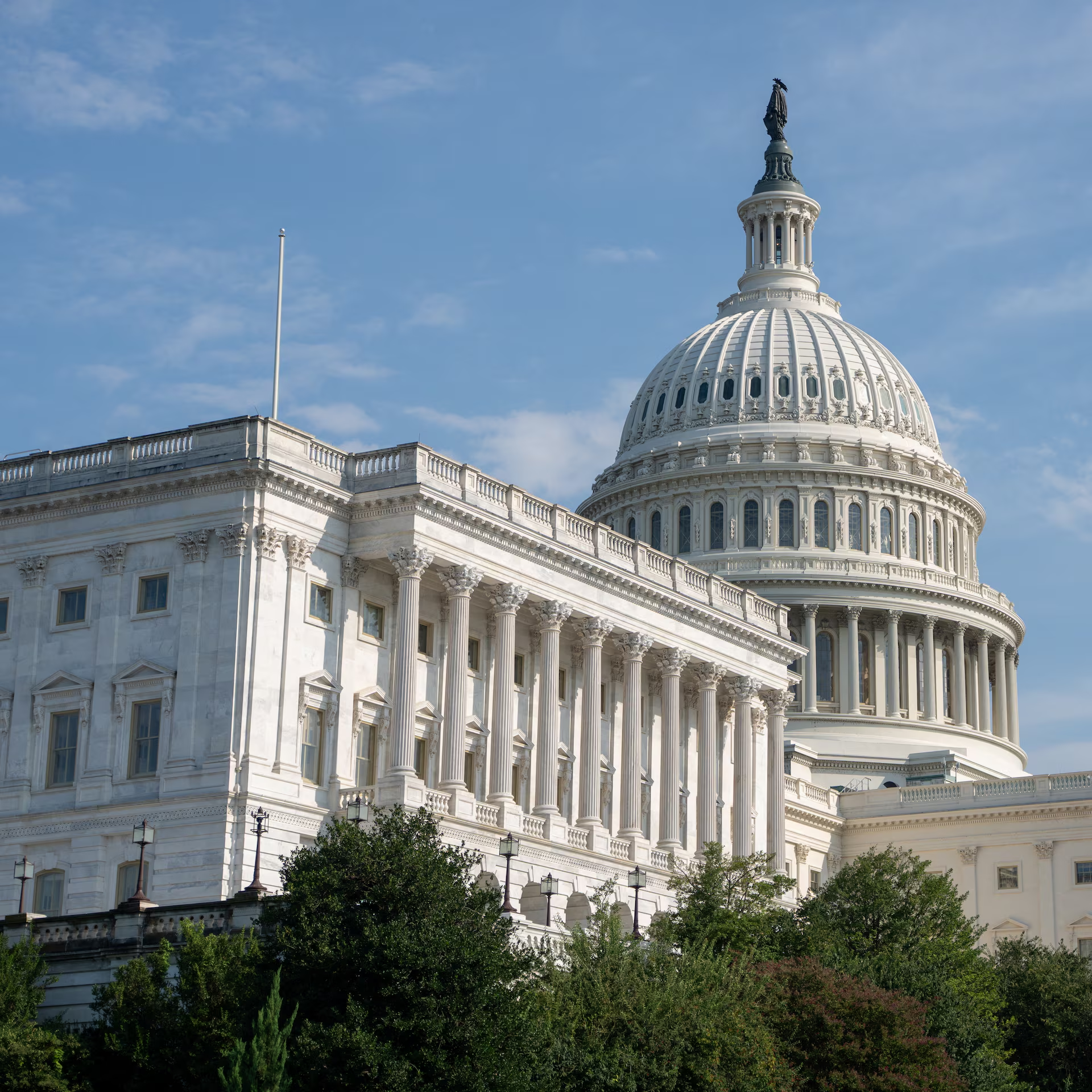
Democrats have won control of both chambers of the United States Congress in the November 3, 2026, midterm elections, delivering a major setback to President Donald Trump and the Republican Party ahead of the final two years of his presidency.
The victories mark a significant shift in Washington, with Democrats set to take control of the Senate and House of Representatives when the new Congress is inaugurated in January 2027. The party recorded major gains in traditionally Republican states, including Texas, Kansas, Iowa, Maine, Ohio, North Carolina and South Carolina.
In the Senate, Democrats secured at least 54 seats against 44 for Republicans, with two races still outstanding as vote counting continued. In the House of Representatives, the party also established a majority, with projections indicating at least 231 seats against 141 for Republicans at the time of reporting.
Democrats break through in traditionally Republican states
One of the most significant victories came in Texas, where Democrat James Talarico defeated Republican Ken Paxton to win a Senate seat, becoming the first Democrat to secure a statewide election victory in the state in more than three decades.
Democrat Gina Hinojosa also defeated Republican Governor Greg Abbott to become Texas’s first Latina governor, ending a long period of Republican control of the state’s governorship.
In Kansas, Democrat Adam Hamilton defeated incumbent Republican Senator Roger Marshall, giving the party its first Senate victory in the state since 1932.
Other notable Senate victories included Troy Jackson’s defeat of Republican Susan Collins in Maine, Josh Turek’s victory over Ashley Hinson in Iowa, Roy Cooper’s win against Michael Whatley in North Carolina and Sherrod Brown’s return to the Senate after defeating incumbent Jon Husted in Ohio.
In South Carolina, Democrat Annie Andrews defeated Republican Darline Graham, securing another Senate seat for the party.
Historic milestones across the country
The elections also produced several historic firsts. In Michigan, Democrat Abdul El-Sayed defeated Republican Mike Rogers in a closely watched Senate contest, becoming the first Muslim elected to the United States Senate.
In New Hampshire, Democrat Chris Pappas defeated former Republican Senator John Sununu, becoming the first openly gay man elected to the Senate.
Georgia also made history as Democrat Keisha Lance Bottoms, former mayor of Atlanta, defeated Republican businessman Rick Jackson to become the state’s first Black woman governor and its first Democratic governor since 1998.
In Florida, Republican Byron Donalds defeated his opponent to become the state’s first Black governor and the first Black Republican elected governor in the United States.
Republicans suffer major setbacks
The results marked a difficult night for Republicans, including several candidates who had sought to distance themselves from Trump’s policies.
In Maine, Susan Collins lost her bid for another Senate term after serving for three decades. In Iowa, Ashley Hinson also lost to Democrat Josh Turek despite disagreements she had expressed with some of the president’s policies.
The outcome reflected widespread voter concerns over the cost of living, inflation, the economy and the US-Israel war involving Iran, which contributed to higher fuel prices.
Trump acknowledged the Democrats’ performance in comments to US media outlets, saying the opposition had done a good job. He also said he would accept the election results and expressed willingness to work with Democrats, while maintaining that he could veto legislation he opposed.
What the results mean for Trump’s presidency
The Democratic takeover of Congress is expected to significantly affect the president’s legislative agenda.
With control of both chambers, Democrats will have greater influence over congressional committees, legislative priorities, federal spending and oversight of the administration. They will also be able to investigate government activities and scrutinise policies introduced by the White House.
The Senate majority will give Democrats control over confirmation proceedings for presidential nominees, including federal judges and senior government officials.
However, Trump will retain executive powers, including the authority to veto legislation passed by Congress. Any attempt to override a presidential veto would require a two-thirds majority in both chambers.
House Democratic leader Hakeem Jeffries is also positioned to become Speaker of the House if his colleagues retain him as their leader, potentially making him the first Black person to occupy the position.
The new Congress is expected to begin its work in January 2027, setting the stage for a period of divided political leadership between the Democratic-controlled legislature and the Republican-led White House.