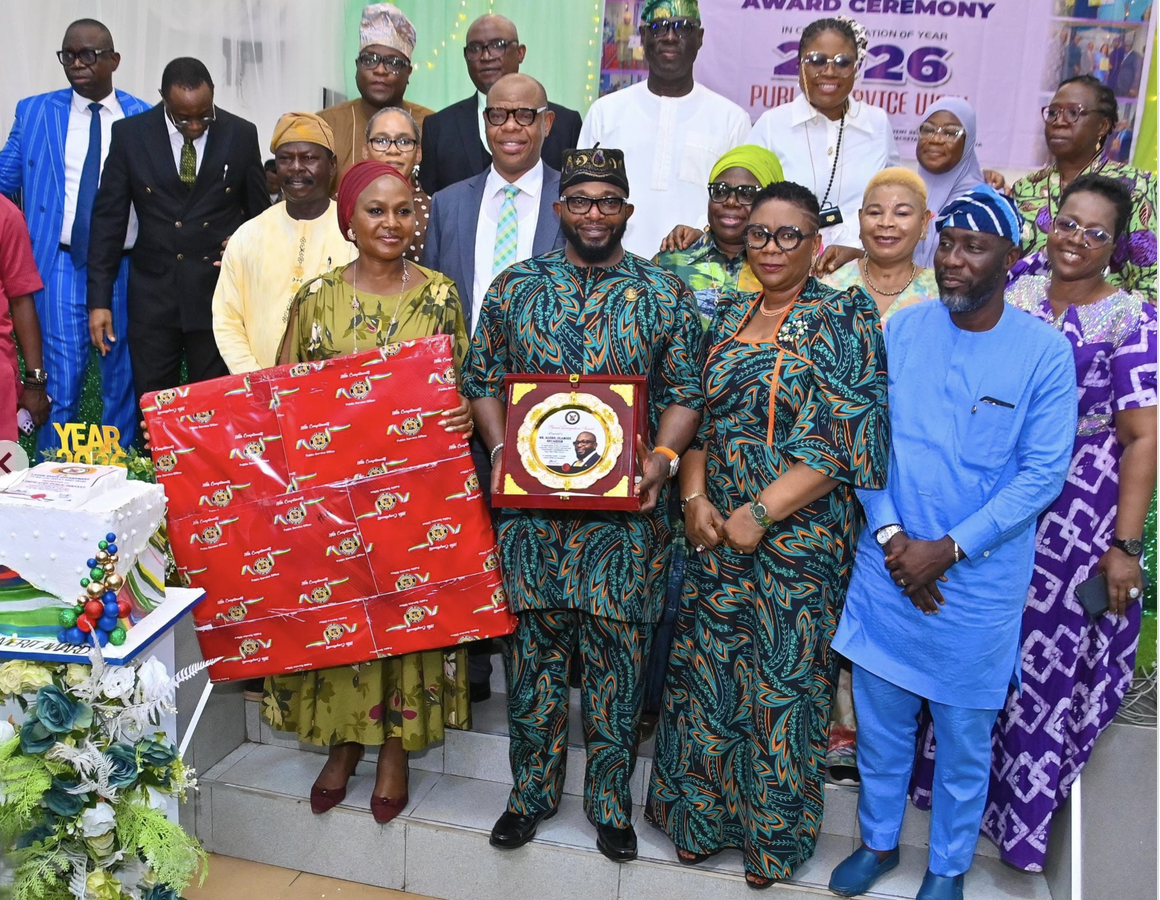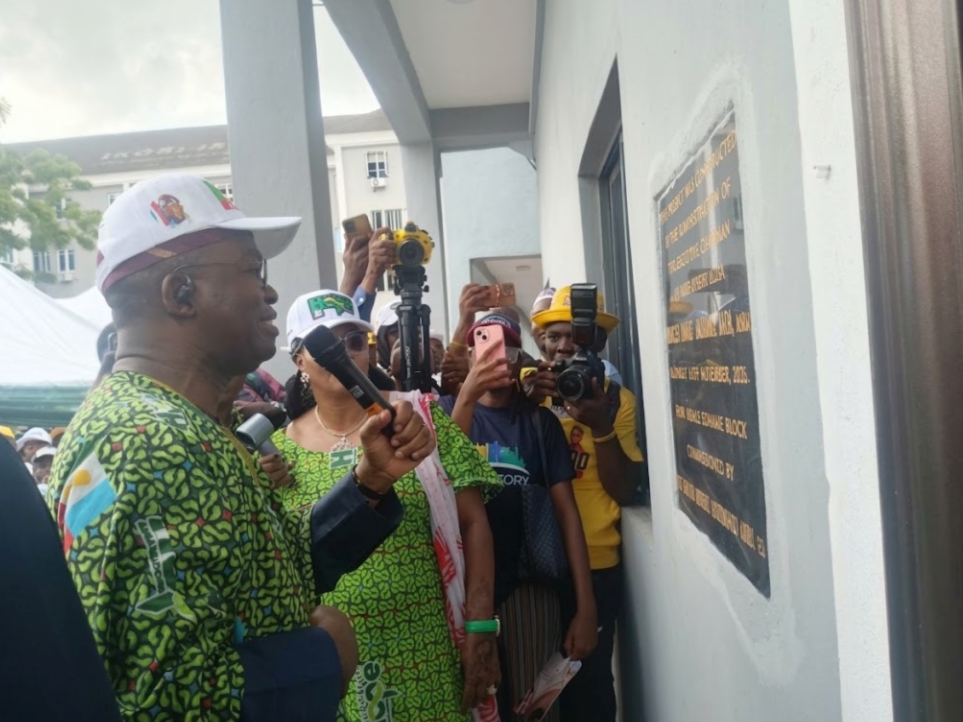


The Lagos State Government has urged students to serve as environmental ambassadors in their schools, homes and communities by promoting proper waste disposal, recycling, reduced plastic use and environmental cleanliness.
The Permanent Secretary, Office of Environmental Services, Ministry of the Environment and Water Resources, Dr. Gaji Omobolaji Tajudeen, gave the charge while delivering the keynote address at the 2026 Annual Sensitisation Programme of the Environmental Bees Club (EBC), held at the Lagos Chamber of Commerce and Industry (LCCI) building in Ikeja.
Gaji described the Environmental Bees Club as a strategic platform for translating environmental knowledge into responsible behaviour, noting that habits developed by young people would significantly influence the environmental future of Lagos State.
He urged students to embrace sustainable practices to promote a cleaner, healthier and flood-resilient environment, identifying improper waste disposal, plastic pollution, blocked drainage channels, flooding, water pollution, loss of green spaces and climate change as major challenges requiring collective action.
The Permanent Secretary encouraged students to conserve water and energy, protect vegetation and maintain clean surroundings, stressing that individual efforts, when sustained collectively, could deliver significant environmental benefits. He also reaffirmed the Ministry’s commitment to strengthening public awareness and environmental education.
Gaji commended the Environmental Bees Club handlers, teachers, school authorities, the Environmental Education Unit and other stakeholders for their contributions to environmental education and youth engagement.
Speaking at the event, the guest lecturer, Mr. Lasisi Adedoyin, highlighted children’s vulnerability to environmental hazards because of their developing immune systems. He warned that exposure to unhealthy surroundings could negatively affect their health and development.
Adedoyin explained that the Lagos State Government’s restriction on single-use plastics was intended to reduce plastic pollution, prevent drainage blockages and mitigate flooding. He also discussed the Earth’s major components — the atmosphere, hydrosphere, lithosphere and biosphere — and examined the effects of ozone layer depletion, global warming and climate change on weather patterns, food production and livelihoods.
He called for effective climate change mitigation and adaptation measures to protect the environment and support sustainable development.
On pollution and waste management, the guest lecturer highlighted the harmful effects of air, water and soil pollution on human health and ecosystems. He urged students to practise waste sorting, recycling, reuse and proper disposal, noting that waste materials could be converted into valuable resources when appropriately managed.
He further emphasised the importance of environmental sanitation and personal hygiene in preventing diseases, urging students to wash their hands regularly with soap and clean water and maintain cleanliness in their immediate surroundings.
The programme underscored the importance of environmental education in nurturing environmentally conscious citizens and encouraging sustainable practices towards building a cleaner, healthier and more sustainable Lagos State.