The Lagos State Government has set a target of delivering more than 3,000 megawatts of electricity by March 2027, as it intensifies efforts to reduce power outages and support a 24-hour economy.
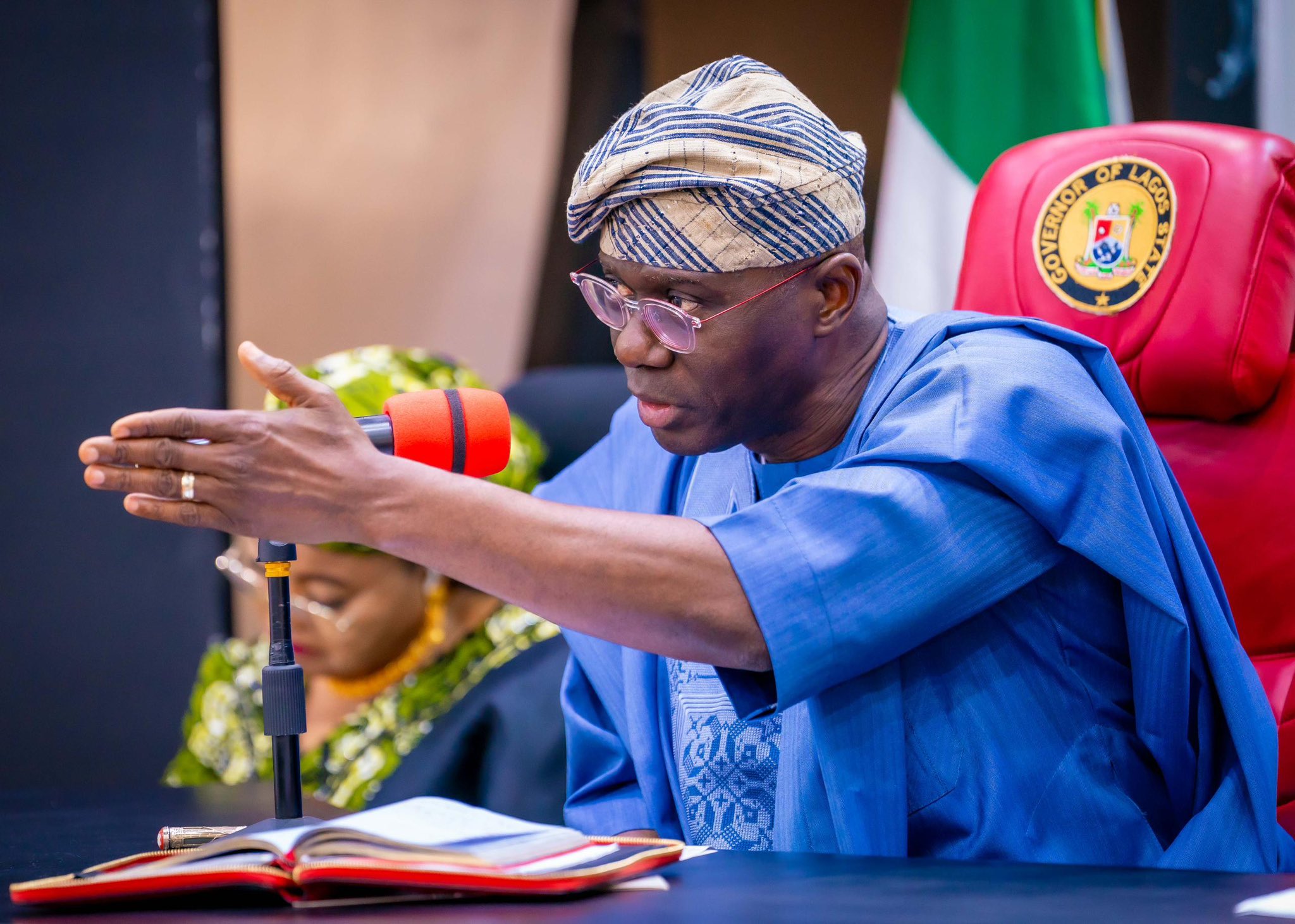
Governor Babajide Sanwo-Olu announced the target at the fourth Lagos Business School Africa Energy Conference in Lagos on Saturday. Represented by Deputy Governor Kadri Obafemi Hamzat, he said the state aims to mobilise an additional 2,000MW through national grid resources, independent power projects, energy hubs, power barges, energy traders and embedded generation.
Sanwo-Olu said achieving the target would require improvements across the electricity value chain, including generation, transmission, distribution, gas supply and metering. He added that the government was working to strengthen transmission infrastructure, improve substations and distribution networks, and expand metering coverage to reduce estimated billing.
The governor also highlighted the role of technology in improving accountability and transparency in the electricity market, citing plans to deploy digital monitoring systems, including Supervisory Control and Data Acquisition (SCADA), Advanced Metering Infrastructure (AMI) and the Lagos Electricity Intelligence Platform.
On renewable energy, Sanwo-Olu disclosed that about 42,000 of the approximately 50,000 streetlights earmarked for solarisation had been completed. He added that solarisation projects had been completed in 175 public schools, with work ongoing in another 100.
He called on investors, financial institutions, energy operators and development partners to support the initiative, describing reliable electricity as essential to industrial growth, job creation, business competitiveness and improved living standards.
Also speaking at the conference, Shell Nigeria Exploration and Production Company Limited executive Ronald Adams called for sustained implementation of energy-sector reforms, regulatory certainty and efficient project approvals to attract investment and expand energy access.
Other speakers, including Lagos Business School Energy Club President Sebilat Quadri and Dean Olayinka David-West, stressed the need for coordinated action, investment and sustainable energy solutions to address Nigeria’s persistent power challenges.