
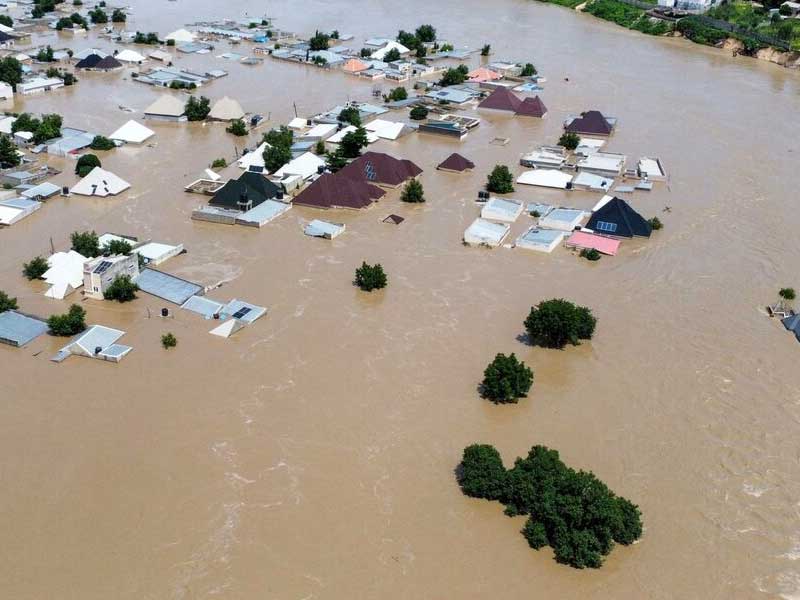
The Lagos State Government has urged residents of coastal communities to adopt responsible environmental practices, improve waste management and work together to reduce flooding and protect the environment.
The Permanent Secretary, Office of Environmental Services, Gaji Omobolaji Tajudeen, made the call on Wednesday at an Environmental Education Advocacy Programme held at the Lagos Chamber of Commerce and Industry, Nurudeen Olowopopo Drive, Ikeja.
Tajudeen, who was represented by the Director of the Environmental Education Unit, Mrs. Monsurat Banire, identified flooding and improper waste disposal as major environmental challenges threatening livelihoods, public health and the well-being of residents in coastal communities.
Speaking on the theme, “From Awareness to Action,” he stressed that addressing these challenges required more than public awareness campaigns, urging residents and stakeholders to translate environmental knowledge into practical and sustained action.
He explained that Lagos, as a low-lying coastal state, was particularly vulnerable to flooding, which is often worsened by indiscriminate waste disposal, blocked drainage channels and waterways, poor sanitation and other human activities that obstruct the natural flow of water.
According to him, environmental advocacy should promote behavioural change, equip residents with practical knowledge and encourage shared responsibility for environmental protection.
He urged residents to keep drains and waterways free of waste, reduce indiscriminate disposal of plastics and other refuse, maintain proper sanitation and respond promptly to flood early warnings.
The Permanent Secretary reaffirmed the state government’s commitment, under Governor Babajide Sanwo-Olu, to addressing environmental challenges through investments in drainage rehabilitation, flood mitigation, shoreline protection, waste management and community sensitisation.
However, he emphasised that government interventions would achieve lasting results only when supported by responsible actions at the grassroots.
He called on market associations, artisans, community leaders and residents to take ownership of their immediate environment by discouraging indiscriminate dumping, preventing obstructions to drainage channels and waterways, and promoting proper waste disposal practices.
Tajudeen also encouraged participants to become environmental change agents in their communities by influencing others positively and sustaining the message of environmental responsibility beyond the programme.
He noted that preventing flooding and protecting coastal settlements required collective commitment, stronger community participation, innovation and accountability from government institutions, community organisations and individuals.
Delivering a lecture at the programme, the Guest Lecturer and Director of Water Resources in the Office of Drainage Services, Engr. Oyedele James, stressed that waste management and environmental protection were collective responsibilities.
James observed that although everyone generates waste, many people fail to take responsibility for its proper disposal.
He explained that activities in upstream communities could adversely affect downstream areas, particularly coastal settlements, and stressed the need to keep stormwater channels and their rights-of-way free from obstruction to ensure the unhindered flow of water.
The guest lecturer also highlighted the importance of proactive community leadership, noting that timely preventive measures could avert potential disasters.
He described wetlands as natural stormwater retention areas and filters for groundwater, urging communities to protect these ecosystems and adopt responsible environmental practices to minimise flooding.
The programme reinforced the need to turn environmental awareness into everyday action to safeguard communities, reduce flood risks and promote sustainable environmental management across Lagos State.