
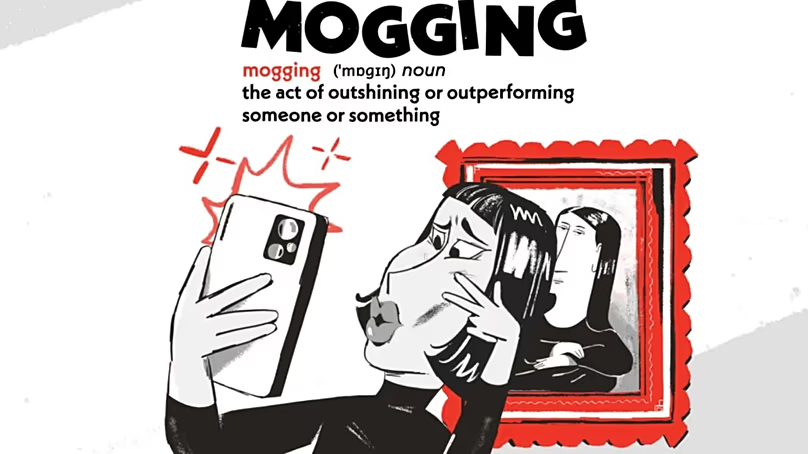
Collins English Dictionary has named “mogging”, a slang expression meaning to outshine or outperform someone, as its Word of the Year for 2026.
The dictionary announced the selection on Tuesday, describing the term as a fast-growing expression popular among Generation Z and Generation Alpha, often used humorously or ironically when someone is noticeably upstaged.
Collins defines “mogging” as outperforming or outshining another person or thing, particularly by making someone appear less impressive in terms of physical appearance, confidence or social status.
The expression is believed to have originated from the abbreviation AMOG, meaning “alpha male of the group”. It reportedly emerged around 2016 in bodybuilding circles, where it described the most physically dominant man in a gym.
The term later evolved into a verb and spread across online communities, including the manosphere, before gaining wider acceptance among younger internet users.
Collins Managing Director, Alex Beecroft, said the selection demonstrated how younger generations continue to influence and reshape the English language.
He described the expression as an example of how Gen Z and Gen Alpha have adopted existing language and transformed it into humorous slang.
According to the dictionary, usage of “mogging” increased by 210 per cent in 2026.
Other expressions shortlisted for the annual recognition included “firewave”, referring to multiple wildfires occurring within a short period; “ghost job”, describing a job advert from an employer with no intention of hiring; and “carspreading”, referring to the production of increasingly larger and heavier vehicles.
The shortlist also featured “Manchesterism”, “fricy”, “friendslop”, “bixie” and “P(doom)”, a term referring to the estimated probability of artificial intelligence causing the collapse of human civilisation.
Collins said its annual Word of the Year selection reflects evolving language trends and the cultural, social and technological issues shaping everyday conversations.