
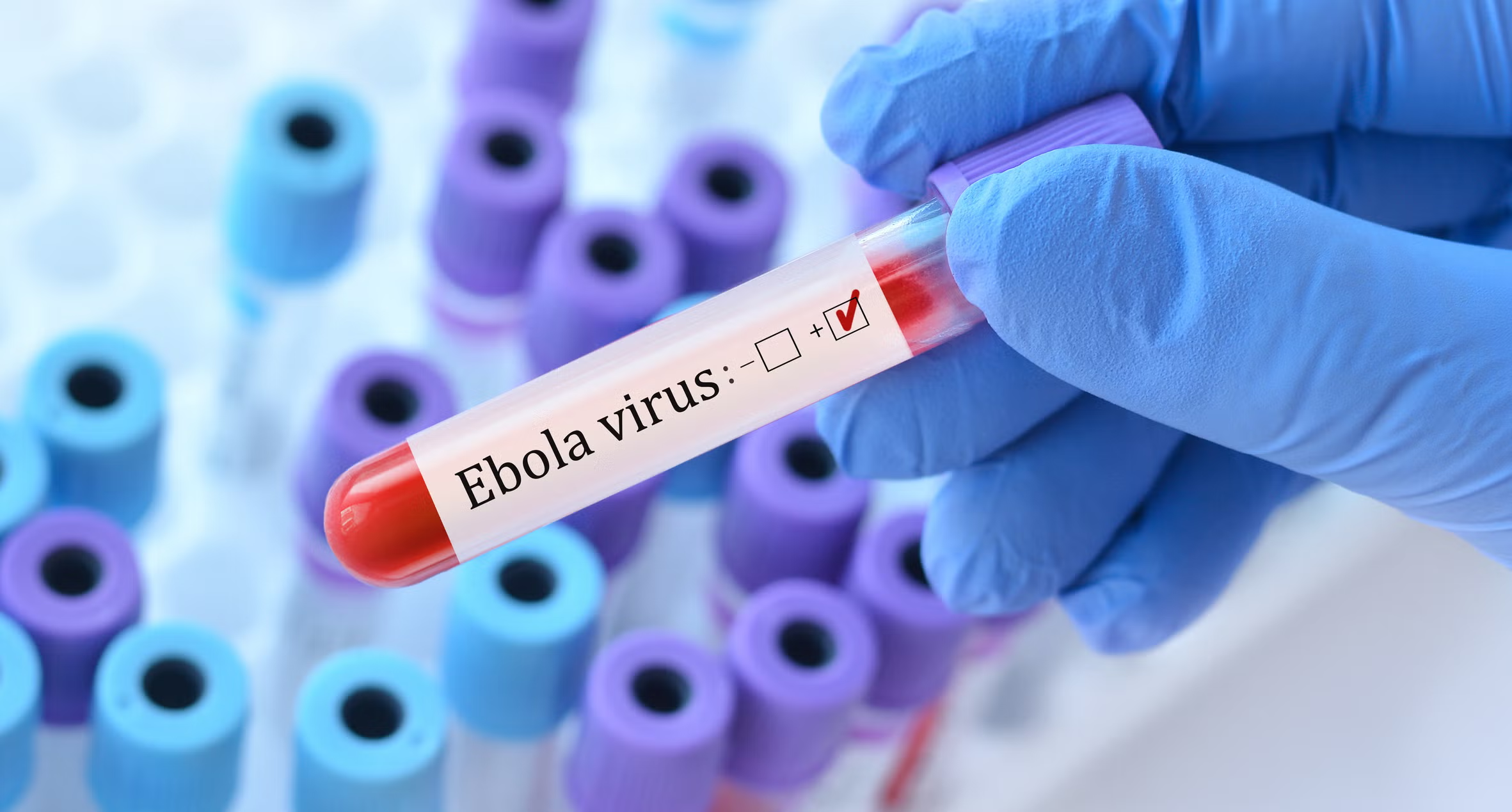
The Nigeria Centre for Disease Control and Prevention (NCDC) has ruled out Ebola Virus Disease (EVD) in two suspected cases identified in Yola, Adamawa State, following negative laboratory test results.
The confirmation was made by the NCDC Director-General, Dr Jide Idris, in a statement issued on Saturday night, amid heightened public health concerns following reports of two suspected Ebola cases in Nigeria’s North-East region.
Idris disclosed that the two individuals tested negative for Ebola after two rounds of laboratory testing, confirming that there was no laboratory-confirmed case of the disease in Adamawa State.
According to him, the Adamawa State Public Health Emergency Operations Centre received a report in the early hours of October 30, following the identification of two individuals presenting with symptoms suggestive of Ebola.
He explained that the individuals were immediately isolated, while public health response measures were activated and samples collected for laboratory investigation.
The NCDC boss said the agency had been working closely with the Adamawa State Government, through the State Ministry of Health and Human Services, to investigate the suspected cases and strengthen response operations.
He commended the Adamawa State Commissioner for Health and his team for their prompt response, assuring that the NCDC would continue to provide technical support to the state.
Idris further clarified that the previously confirmed Ebola case in the Federal Capital Territory remained Nigeria’s only laboratory-confirmed case.
However, the agency did not disclose the identity of the second North-East state mentioned in its earlier alert.
The NCDC Director-General urged Nigerians to remain calm and avoid spreading unverified information, advising the public to rely on official government and public health communication channels for accurate updates.
He also encouraged anyone experiencing symptoms such as fever, severe weakness, headache, muscle pain, vomiting, diarrhoea or unexplained bleeding, particularly after a possible exposure, to seek immediate medical attention.
He advised members of the public to disclose relevant travel and contact histories to healthcare workers and avoid self-medication.
The agency reiterated its commitment to monitoring the situation in collaboration with state authorities and other relevant stakeholders.