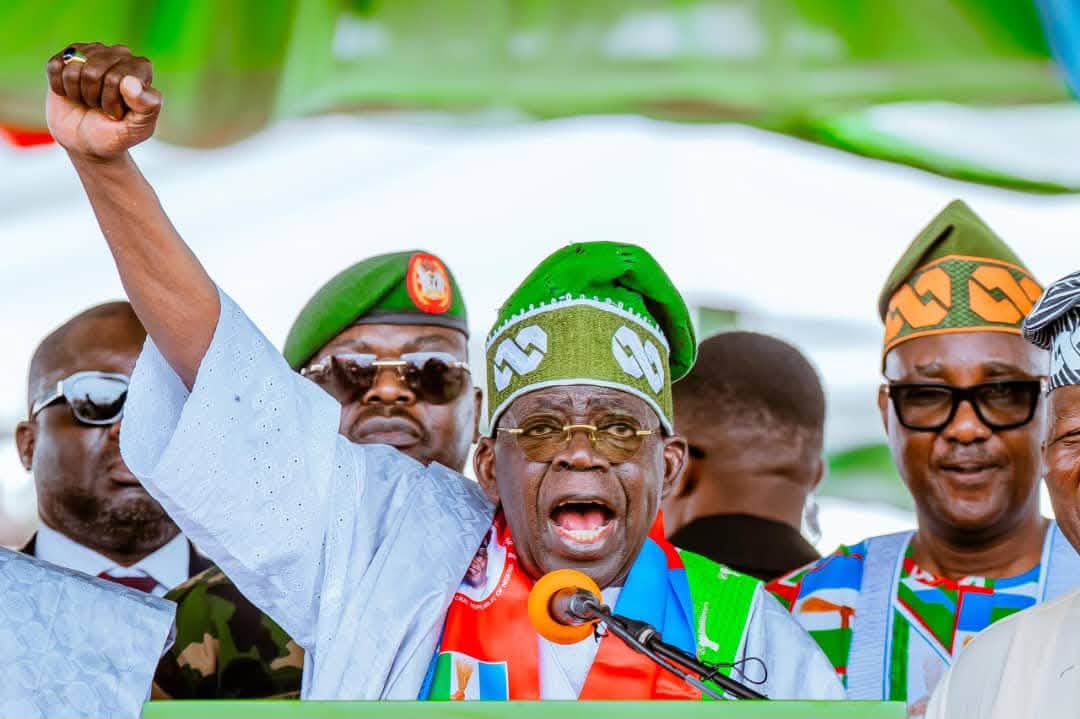


President Bola Tinubu’s approval of a new salary package for members of the Nigerian Armed Forces has sparked mixed reactions across Nigeria’s political landscape.
The new remuneration, which takes effect on September 1, 2026, provides salary increases ranging from 30% to 80% for about 250,000 military personnel, with junior officers and rank-and-file soldiers receiving the highest increases. The adjustment raises the Armed Forces’ annual personnel budget from ₦660 billion to ₦924 billion, adding ₦264 billion to government spending.
The SDP and NNPP praised the move, describing it as a necessary investment in troop welfare, morale, and national security. They argued that improving the welfare of security personnel should not be viewed through a political lens.
However, the Labour Party and the Obidient Movement questioned the timing and motive behind the decision. While acknowledging that better welfare for soldiers is long overdue, they suggested the pay rise could also be aimed at gaining political advantage.
Meanwhile, Senator Orji Uzor Kalu and BCDA Director-General Abdulrazak Namdas commended the President’s decision, describing it as a significant boost to military morale and operational effectiveness. They also welcomed the planned expansion of the Nigerian Army from eight to twelve divisions and the recruitment of 28,000 additional personnel to strengthen national security.
The announcement has reignited debate over whether the pay increase represents a genuine commitment to improving troop welfare or a politically timed policy ahead of future electoral contests.