
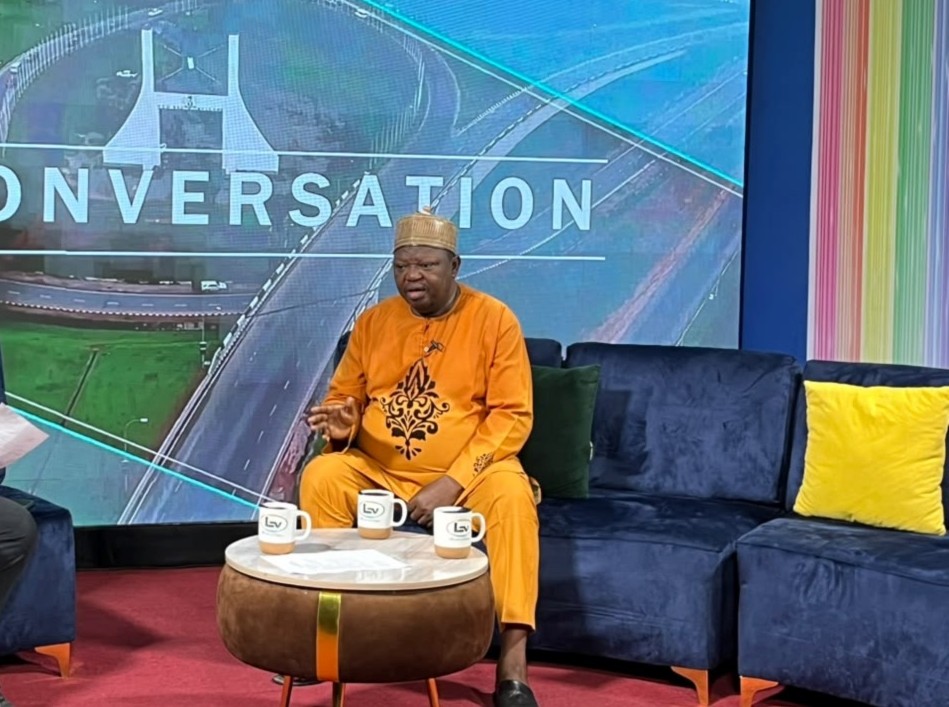
As Nigeria continues to grapple with systemic growth challenges, corruption remains a primary obstacle plaguing societal and economic progress. While public attention often focuses on political leaders, experts note that the menace extends far beyond public office funds into various institutions. Addressing this pervasive issue requires a comprehensive look at transparency, institutional accountability, and systemic integrity to foster true national development.
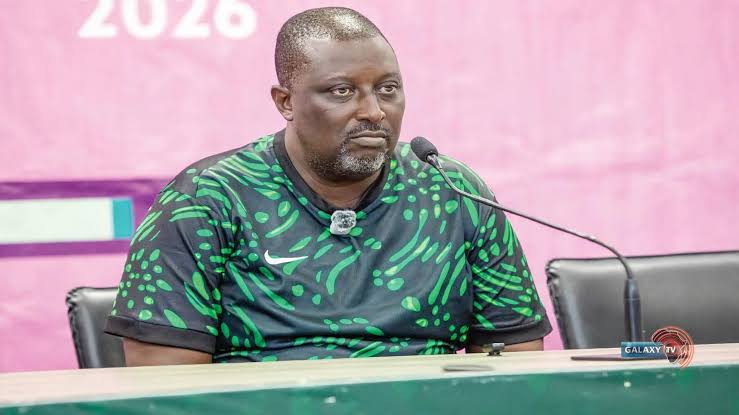
Appearing on the Conversation show on Lagos Television, journalist and social affairs commentator Festus Fifen emphasized that corruption must be understood holistically as the abuse of entrusted power for private gain, rather than merely petty theft. Fifen reported that everyday enablers within civil service and procurement processes actively impede national growth, stressing that the justice system must swiftly convict offenders to deter future breaches across all sectors.
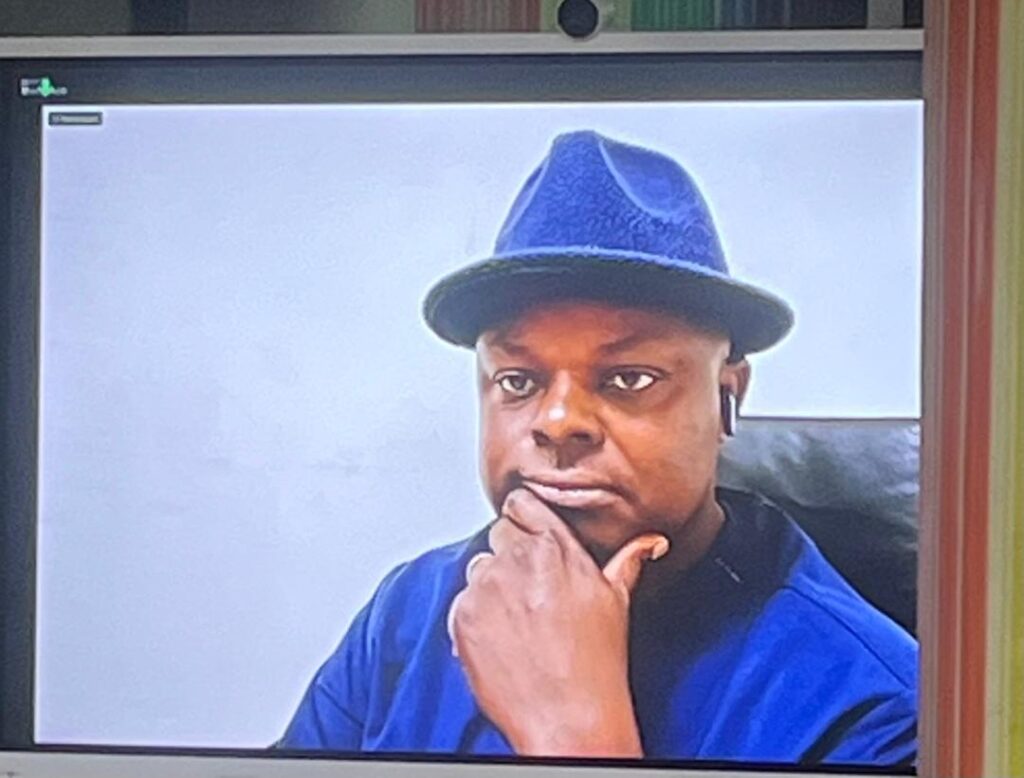
Sharing his perspective from the studio, Islamic cleric and public affairs commentator Sheik Ibrahim Olaniyi expressed dissatisfaction with the current administration’s anti-corruption efforts. Olaniyi stated that double standards and the recycling of compromised individuals into positions of power severely undermine public trust. He stressed that true reform requires a fundamental mindset shift and strict adherence to integrity when selecting individuals to lead public institutions.
Ultimately, both guests reported that Nigeria’s developmental struggles are deeply tied to systemic enforcement gaps and moral compromises across both elite and ordinary levels of society. Until anti-corruption agencies operate without bias and institutional frameworks strictly enforce consequences for misconduct, economic and social growth will remain stunted.