
Food security concerns are growing in the United Kingdom as farmers grapple with severe drought conditions that have significantly reduced crop yields, raising fears of food shortages and higher prices.
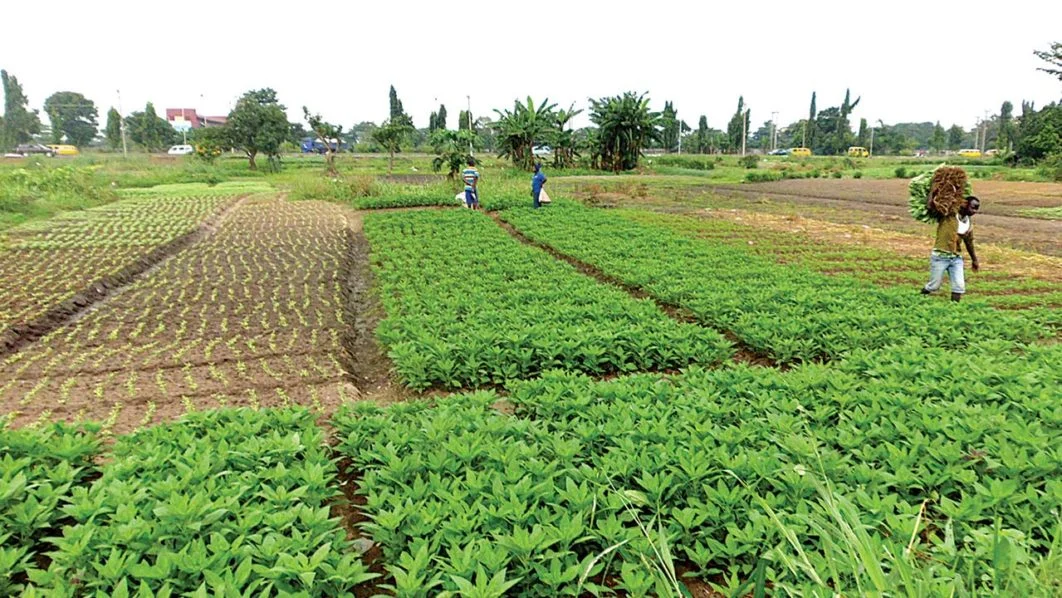
According to reports, England recorded its driest July on record, leaving farmlands parched and affecting the production of key crops such as wheat, oats, peas, quinoa and vetch.
Farmer John Pawsey, whose family has farmed in Suffolk for generations, said yields on his organic farm have dropped by between 25 and 30 percent due to the prolonged dry weather. He warned that if current climate trends continue, many farmers could struggle to remain in business.
To cope with the changing climate, Pawsey has introduced drought-resistant crops such as chickpeas and fava beans while adopting more resilient farming techniques. He urged the UK government to provide greater support to help farmers adapt to worsening weather conditions.
Food security expert Timothy Benton also called for a shift toward more sustainable and diverse farming systems, arguing that agriculture must become less dependent on imported food, fertilisers and intensive farming methods. He stressed that climate change will continue to reshape global food production unless governments invest in long-term agricultural innovation.
Professor Nicola Cannon of the Royal Agricultural College noted that this year’s pea harvest reached only about half of expected production because of the prolonged lack of rainfall. She encouraged consumers to buy seasonal British produce to give farmers greater financial certainty to invest in climate adaptation.
The National Farmers’ Union warned that continued drought could lead to shortages of certain food items and further pressure on food prices.
Responding to the growing concerns, the UK government reaffirmed its commitment to strengthening food security through record investment in water infrastructure, including the construction of nine new reservoirs.
Experts, however, caution that adapting agriculture to climate change will require sustained government intervention, increased investment and major changes to farming practices to safeguard the country’s future food supply.