


Regulatory Bodies and Health Advocates have warned that exposure to substandard sanitary products over decades poses severe reproductive health risks to women and girls, including persistent infections and potential fertility complications.
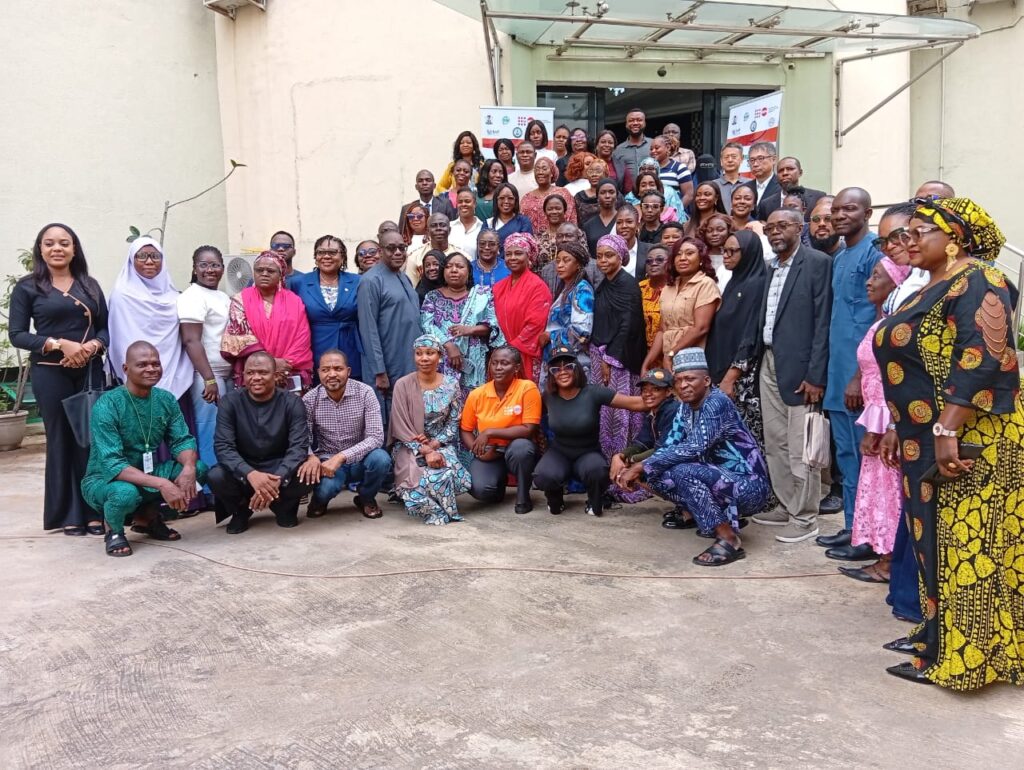
Speaking at the 2026 Nigeria Menstrual Hygiene Product Forum in Lagos, key government Leaders emphasized that ensuring access to safe, quality and affordable menstrual products is essential for women and girls to participate fully in education, economic activities, and national life.
The two-day national dialogue—themed “Driving Standards and Policy Reform for Affordable Menstrual Products”—was funded by the Sanitation and Hygiene Fund (SHF) and led by UNFPA in collaboration with the Federal Ministry of Women Affairs and Social Development, the Standards Organisation of Nigeria (SON), and allied partners.
Addressing delegates on behalf of the Federal Ministry of Women Affairs, Mariam Shuaibu, Deputy Director in the Child Development Department who highlighted the hidden danger of unverified products currently flooding local markets said while there are many disposable and reusable sanitary products in the market, not all of them meet required quality standards.
To protect consumers nationwide, Shuaibu noted that the Ministry is operationalizing the National Policy on Menstrual Health and Hygiene Management, bringing key regulatory bodies—including NAFDAC and the Standards Organisation of Nigeria—to enforce strict quality compliance across both imported and locally manufactured products.
Delivering the welcome address on behalf of Dr. Ifeanyi Chukwunonso Okeke, Director General and Chief Executive of the Standards Organisation of Nigeria (SON), agency officials stressed that market availability alone is insufficient without safety oversight.
“The challenge before us is not simply how to make menstrual products available,” Dr. Okeke stated. “It is how to ensure that the products available are safe, fit for purpose, consistently produced, accessible, and affordable—while creating an enabling environment for manufacturers to innovate and grow.”
He added that consumer trust is not an accident, but the direct result of rigorous standards, conformity assessments, and effective market regulation.
Some local products manufacturers who attended the forum appealed for a more business friendly environment for not just their businesses to thrive – to reduce unnecessary barriers to affordability and contribute meaningfully to the development of appropriate policies.
By aligning national quality controls with strict enforcement mechanisms, stakeholders at the 2026 forum agreed that protecting women’s bodily health is fundamental to ending period poverty and guaranteeing basic human dignity.