
The World Health Organization (WHO) has called on governments, healthcare workers, communities and individuals across Africa to prioritise early detection and treatment of diabetes, warning that millions of people remain undiagnosed and are at risk of life-threatening complications.
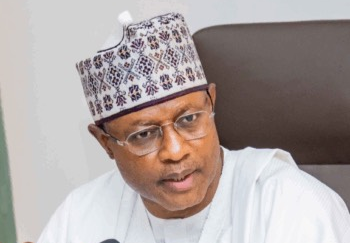
The WHO Regional Director for Africa, Dr Mohamed Janabi, made the call in his message to mark World Diabetes Day 2026, observed on November 14, under the theme, “Early Action on Diabetes.” He stressed that early diagnosis and timely treatment are essential to preventing complications, reducing suffering and saving lives.
According to the International Diabetes Federation, an estimated 24.6 million adults aged 20 to 79 were living with diabetes in the WHO African Region in 2024. The figure is projected to rise to 59.5 million by 2050. Janabi expressed concern that nearly three out of every four adults living with the condition remain undiagnosed, representing the highest proportion globally.
He warned that delayed diagnosis increases the risk of severe complications, including kidney failure, blindness, cardiovascular disease and lower-limb amputations. He urged the public to recognise common warning signs such as excessive thirst, frequent urination, unexplained weight loss, persistent fatigue and blurred vision, advising anyone experiencing these symptoms to seek medical attention promptly.
The WHO regional director also encouraged people at increased risk of diabetes to undergo screening, noting that the condition can develop without obvious symptoms. He called on communities to promote accurate health information, challenge stigma and discrimination, and encourage people living with diabetes to share their experiences and support others in seeking treatment.
Addressing healthcare workers, Janabi emphasised the importance of early symptom recognition, timely testing and compassionate, patient-centred care. He noted that every interaction between healthcare professionals and patients provides an opportunity to promote prevention, improve disease management and reduce the likelihood of complications.
Janabi highlighted ongoing WHO initiatives supporting countries to strengthen diabetes services at primary healthcare and first-level referral facilities. These include the WHO Package of Essential Noncommunicable Disease Interventions (WHO PEN), the HEARTS technical package for cardiovascular disease management, HEARTS-D for the diagnosis and management of type 2 diabetes, and PEN-Plus, which addresses severe noncommunicable diseases at first-level referral facilities.
He commended Rwanda for achieving nationwide district-level coverage of PEN-Plus, while acknowledging that significant gaps remain across the region in access to trained healthcare personnel, diagnostic services, essential medicines and continuous treatment.
The WHO official called on African governments to prioritise diabetes prevention, early diagnosis and sustained care within primary healthcare systems and universal health coverage frameworks. He stressed the need for consistent investment in public awareness, affordable insulin, essential medicines, diagnostic equipment, skilled healthcare workers and reliable health systems.
He also urged development partners, civil society organisations and the private sector to support government-led initiatives, particularly in underserved communities where access to healthcare remains limited.
Janabi reaffirmed WHO’s commitment to supporting member states in accelerating progress towards the 2030 targets of the Framework for the Implementation of the Global Diabetes Compact in the African Region.
He concluded by urging individuals to recognise diabetes symptoms, seek testing and treatment early, and encourage others to do the same, emphasising that timely intervention can help prevent avoidable disabilities and deaths.
“Know the symptoms. Act early on diabetes. Save lives,” he said.