

The World Health Organisation (WHO) has warned that misinformation and disinformation pose a growing threat to public health, noting that inaccurate information can influence health decisions and undermine progress made in disease prevention and healthcare delivery.
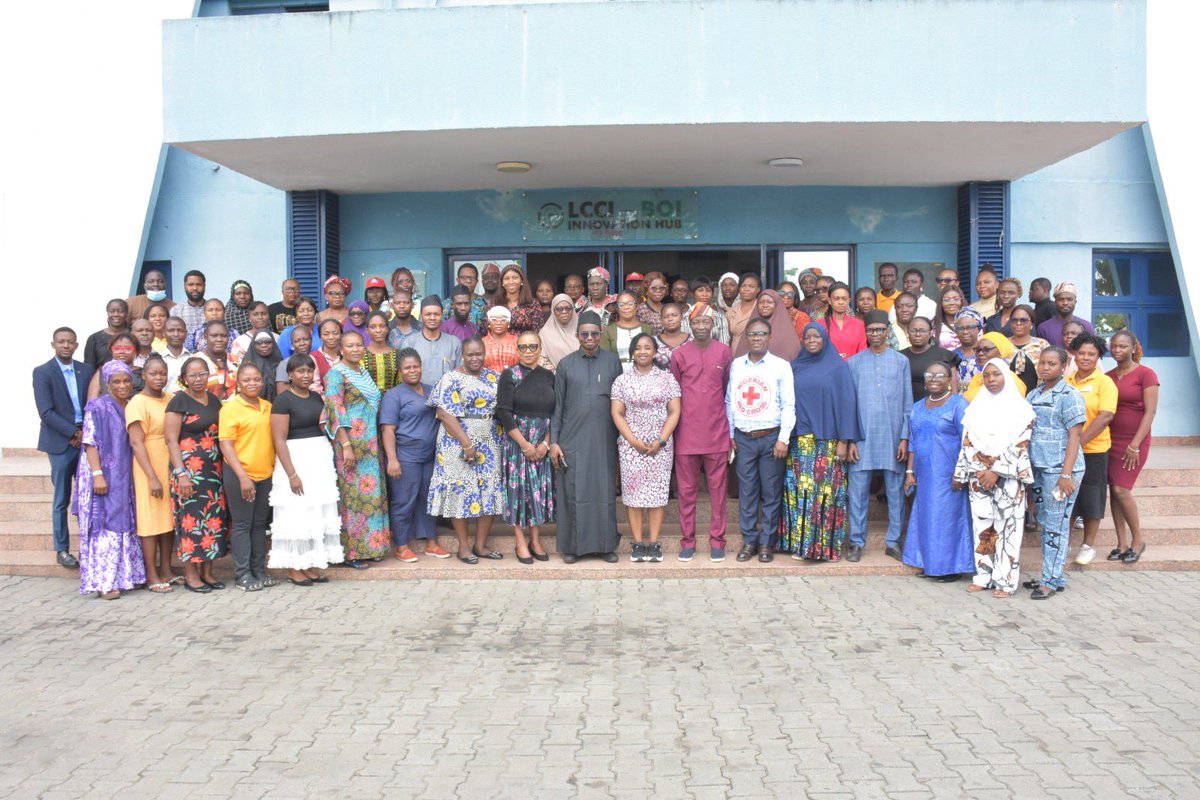
Speaking at the 20th International Public Relations Congress in Lagos, WHO Representative in Nigeria, Dr Pavel Ursu, said misinformation could reverse gains recorded in key areas such as routine immunisation, maternal and child health, malaria prevention, nutrition, and health-seeking behaviour.
Ursu explained that the WHO is supporting Nigeria through social listening, community engagement, and behavioural insights to better understand public concerns and identify emerging rumours.
He added that the organisation is working with government institutions, the media, and fact-checking networks to detect misinformation early and provide accurate information to the public.
The WHO representative stressed that building public trust in reliable health information must be regarded as a public health priority rather than simply a communication strategy.