

As Nigeria approaches the 2027 general elections, the conversation surrounding youth involvement has shifted from mere physical presence to active, meaningful influence. Rather than being treated as passive supporters or sidelined during critical decision-making processes, young Nigerians are increasingly encouraged to take a central role in democratic governance. This evolution demands a fundamental change in how the younger demographic engages with the political landscape, shifting from frustration to constructive participation.
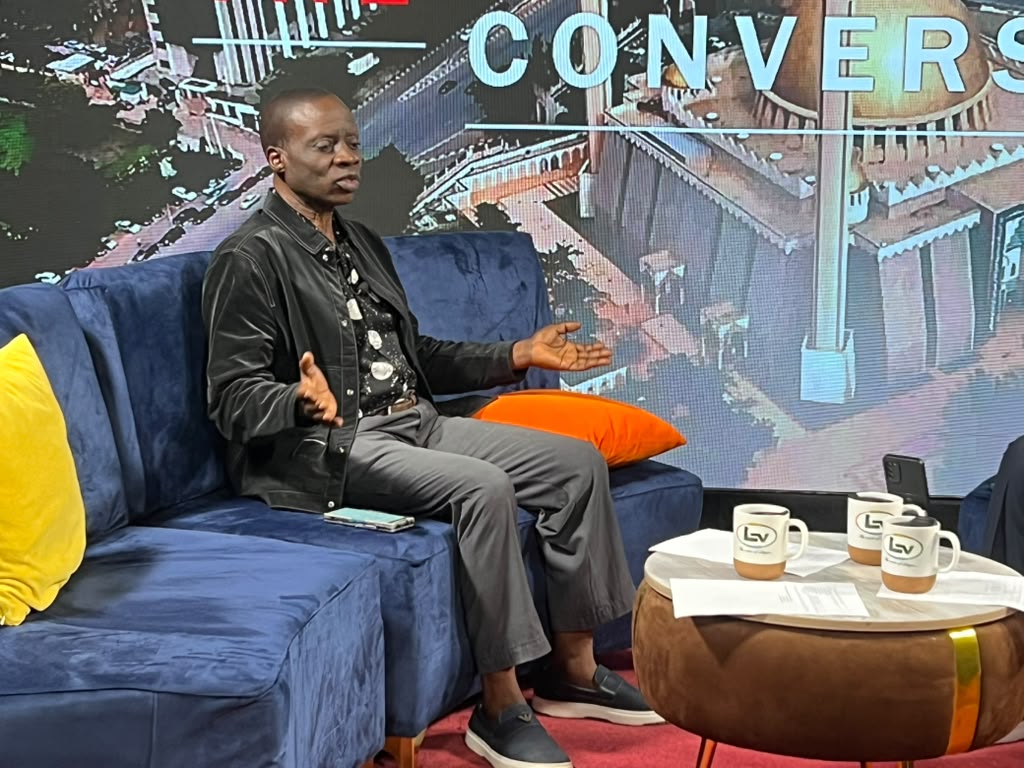
Appearing on the Conversation show, Taiwo Anuoluwapo, Coordinator of the National Youth Council of Nigeria (NYCN), Ikorodu-West, emphasized that effective youth engagement goes far beyond voting and campaigning. According to Anuoluwapo, true participation requires young people to understand every stage of the electoral process, hold elected officials accountable, and become active stakeholders in democracy rather than mere spectators. He noted that Ikorodu’s youth are already positioning themselves as a formidable voting bloc, proving ready to take charge of their political destiny ahead of 2027.
Addressing the prevalence of youth activity on social media, Anuoluwapo acknowledged that while technology and digital platforms dominate modern youth culture, the focus must shift toward creating positive societal impact. Through community-driven initiatives like “Ikorodu Tech Up” and programs such as “Off the Streets, Back to Workshop and Back to School,” local leaders are actively working to steer young people away from political exploitation. These efforts aim to reframe youth as changemakers rather than instruments of political destruction, steering them toward education, empowerment, and genuine community development.
Ultimately, the dialogue underscores a vital message for the upcoming election cycle: youth inclusion must be total, spanning from grassroots levels to top-tier representation. By demanding transparency, engaging political leaders through structured budget consultations, and refusing to be tokenized, young Nigerians are establishing a new standard for accountability. As Anuoluwapo aptly concluded, the youth are not instruments of destruction, and 2027 will mark a turning point where inclusion begins from the ground up.