


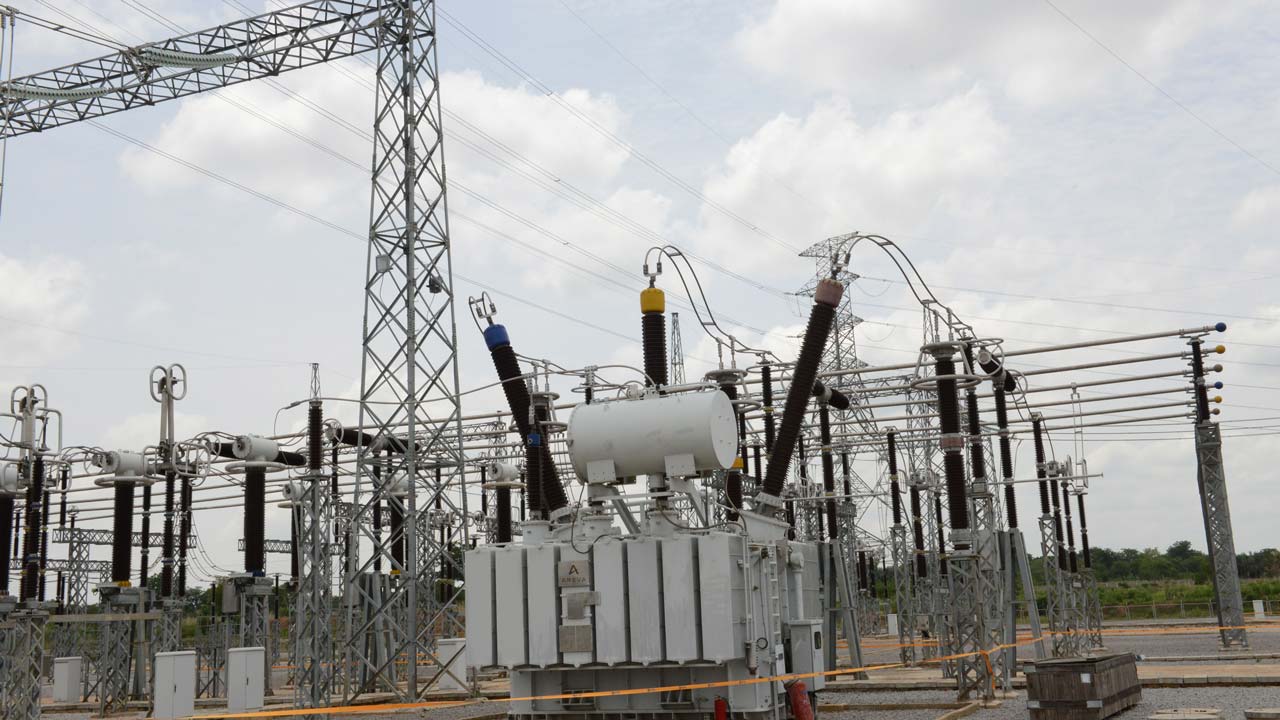
States Slashing Electricity Tariffs Amid Fallout from Electricity Act
In the wake of the Electricity Act, several Nigerian states are moving to cut electricity tariffs—including Enugu, which recently slashed its Band A tariff from ₦209/kWh to ₦160/kWh, effective August 1, 2025. This decision, taken by the Enugu Electricity Regulatory Commission (EERC), has been met with strong criticism from power generation (Gencos) and distribution companies (Discos), who warn it could devastate the sector.
🔌 Enugu’s Tariff Cut & Industry Backlash
- What happened: Enugu’s EERC issued Order No. EERC/2025/003, reducing Band A tariffs from ₦209 to ₦160 per kilowatt-hour.
- Rationale: EERC cites a cost-reflective model that leverages a ₦45/kWh Federal Government subsidy to make power more affordable.
- Industry response: Gencos and Discos argue the move assumes unrealistic subsidies and ignores the true cost of electricity, potentially causing long-term harm.
⚠️ Gencos & Discos Warn of Sector Risks
- Debt burden: Generation companies claim they’re owed over ₦5 trillion, with the government’s ₦900 billion 2025 allocation insufficient to cover even half their monthly ₦250 billion invoices.
- Cost gap: Without subsidy, production costs hover above ₦200/kWh, making the ₦160 tariff unviable. They question who will pay the resulting shortfall.
- Investor concerns: Cutting tariffs below cost-recovery norms undermines investor confidence, making future power sector investments more challenging.
👥 State-Level Moves & Reactions
| State | Status / Plan |
|---|---|
| Enugu | Tariff cut approved after six-month review process by EERC, backed by regulatory framework. |
| Plateau | Working on its own tariff cut, following Enugu’s lead; rollout to begin soon. |
| Lagos | Reviewing Enugu’s model; tariff plan expected imminently. |
| Ondo | Preparing to sign power purchase agreements and set its own tariffs based on investor deals. |
| Ekiti | Sticking with NERC’s Multi-Year Tariff Order (MYTO) for now; waiting for a full state regulatory framework. |
🛡️ Defenders vs Detractors
- EERC’s stance (Chairman Okonkwo):
- Tariff review grounded in transparent cost-based methodology using six months of data.
- Acknowledges current affordability relies heavily on Federal subsidy; warns that removal could push tariffs above ₦160/kWh.
- Experts voice skepticism:
- Tayo Adegbenle (PowerUp Nigeria) suggests Enugu’s subsidy assumptions are flawed and lack clear liability provisions.
- Bode Fadipe notes the situation is unfolding, advising caution before passing judgment.
📌 Key Takeaways
- States with regulatory power are increasingly adjusting power tariffs, aiming to ease consumer costs.
- Power companies warn that deep cuts without genuine subsidies could spark financial collapse in the sector.
- The unfolding debate highlights tensions between consumer affordability and the need for a sustainable, investment-friendly power market.