

The Lagos Chamber of Commerce and Industry (LCCI) has expressed concern over weak budget execution in Nigeria, warning that the Federal Government’s approach to spending rising oil revenues rather than saving them could undermine long-term fiscal stability.
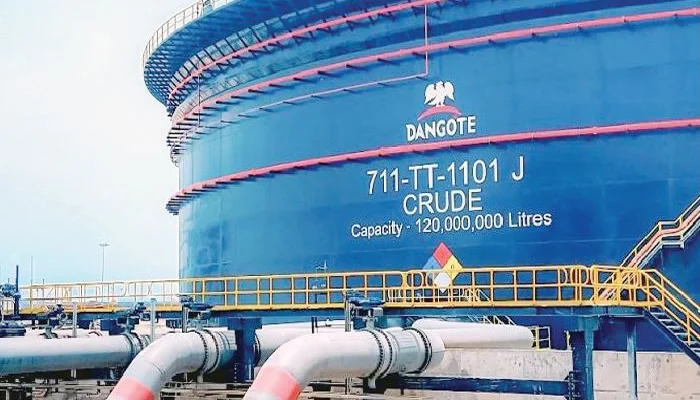
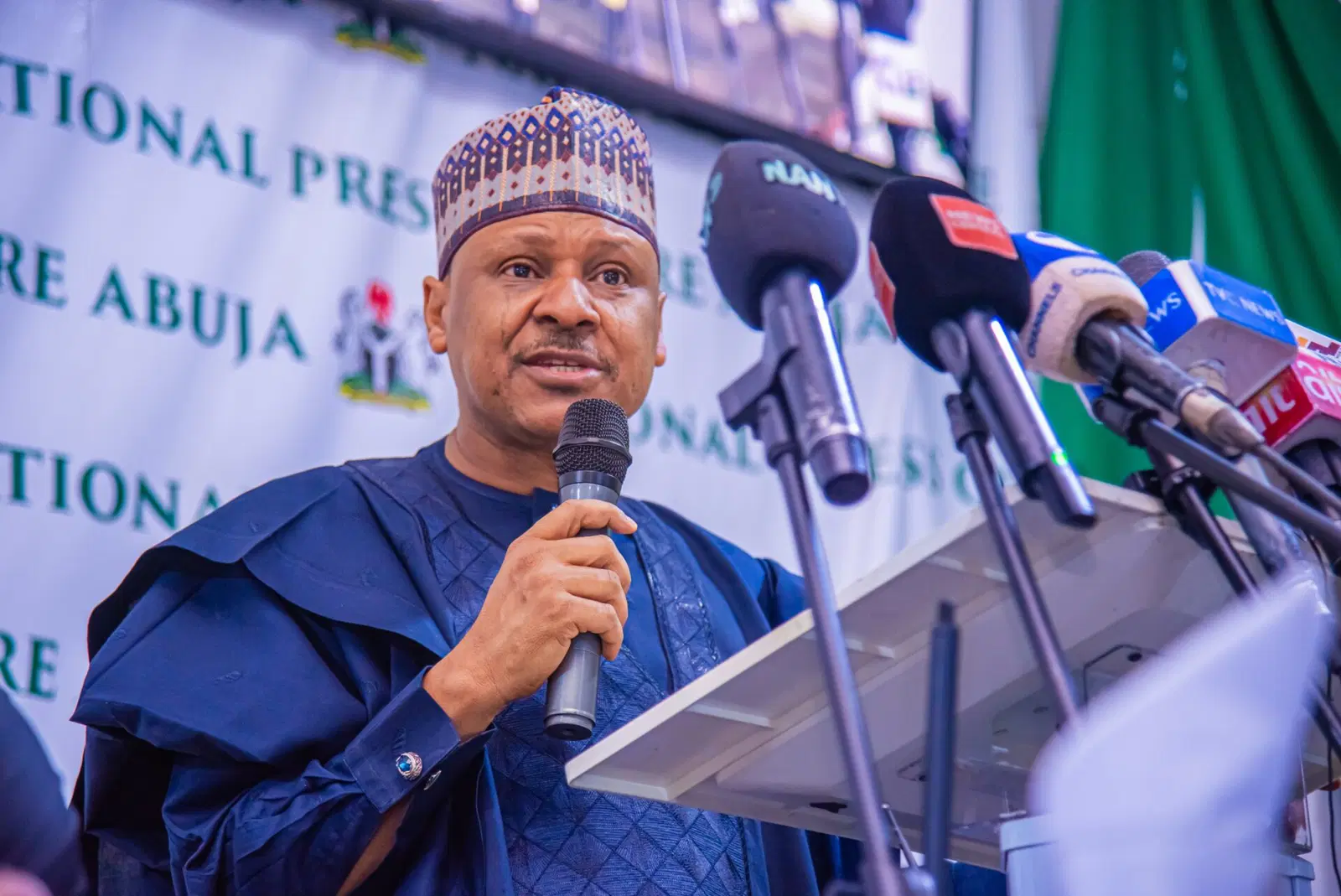
Speaking at its quarterly review of the economy in Lagos, LCCI President Leye Kupoluyi noted that global geopolitical tensions, particularly the US-Israel conflict with Iran, have pushed Brent crude prices to about $115 per barrel—significantly above Nigeria’s budget benchmark.
He cautioned that while the oil price surge presents a revenue windfall, the absence of strong savings discipline and fiscal buffers raises sustainability concerns.
Kupoluyi also criticised persistent issues such as weak budget implementation and overlapping fiscal cycles, describing them as factors weakening Nigeria’s fiscal credibility.
The chamber urged the government to adopt a more disciplined budget framework, improve transparency in debt management, and strengthen monitoring mechanisms to ensure effective delivery of public spending.
On monetary policy, the LCCI commended the Central Bank of Nigeria for its recent decision to cut the Monetary Policy Rate to 26.5 per cent, describing it as a cautious step toward easing borrowing conditions.
However, it warned that high interest rates continue to limit access to credit, especially for small and medium-sized enterprises.
The chamber also raised concerns over rising inflation, which climbed to 15.38 per cent, and noted that increased food and energy costs are eroding household purchasing power.
While acknowledging recent stability in the naira, Kupoluyi stressed that sustained improvement would depend on stronger policy coordination, increased foreign exchange inflows, and fiscal discipline.
He further highlighted Nigeria’s growing debt profile, which stood at N159.28 trillion, warning that debt servicing pressures remain high despite being within acceptable thresholds.
The LCCI also called for urgent reforms in critical sectors such as power, infrastructure funding, and trade facilitation, stressing that poor electricity supply and delayed capital project payments continue to hinder economic growth.
It urged full implementation of the National Single Window system to improve trade efficiency and reduce bureaucratic bottlenecks in import and export processes.
Overall, the chamber called for coordinated economic reforms to stabilise macroeconomic conditions and improve the business environment for sustainable growth.