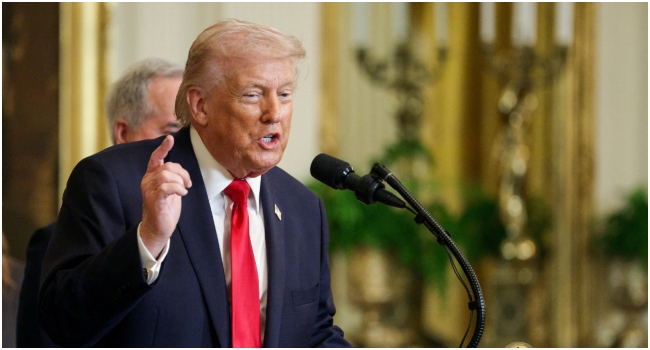



Former U.S. President Donald Trump has issued a fresh warning to Iran, threatening to destroy key infrastructure if no agreement is reached in ongoing negotiations over its nuclear programme.
In a post on his Truth Social account on Sunday, Trump said he was sending a delegation to Pakistan for talks with Iran, while intensifying his rhetoric. He declared “NO MORE MR. NICE GUY,” warning that without a deal, the United States would “knock out every single power plant, and every single bridge” in Iran.
The statement comes amid heightened tensions following a US-Israeli conflict earlier in the year and a fragile ceasefire that is nearing its end. Negotiations between the United States and Iran have so far made limited progress, with only one inconclusive session held recently in Islamabad.
Iranian officials have pushed back strongly against U.S. demands, with parliamentary speaker and chief negotiator Mohammad Bagher Ghalibaf stating that both sides remain “far from the final discussion.” Tehran continues to insist on its right to maintain a nuclear programme, which it says is peaceful.
A key sticking point remains Iran’s enriched uranium stockpile, which the U.S. claims must be handed over as part of any agreement. Iranian authorities have rejected this demand, saying the material will not be transferred or surrendered.
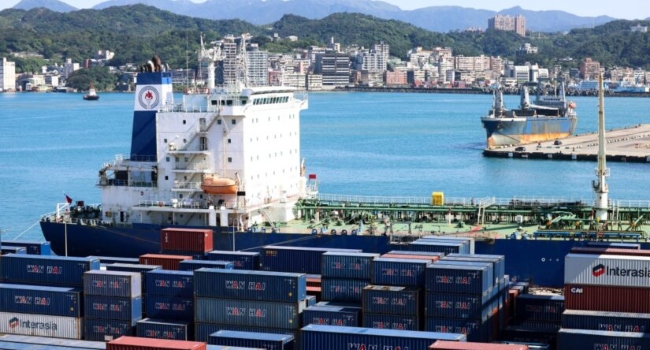
The geopolitical situation has been further complicated by tensions surrounding the Strait of Hormuz, a vital global oil route. Iran briefly reopened the waterway before closing it again amid escalating military and economic pressure, while warning that any unauthorised passage could be targeted.
Security has also been tightened in Islamabad ahead of expected diplomatic talks, with authorities increasing checkpoints and restricting movement in key areas.
While Trump insists the U.S. is offering a “fair and reasonable deal,” Iranian officials maintain that critical disagreements remain unresolved, particularly on nuclear enrichment and sanctions relief.
The situation continues to raise global concern over energy security, regional stability, and the risk of further escalation in the Middle East.