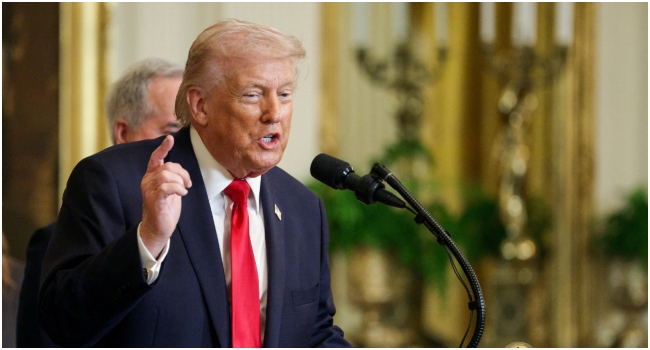


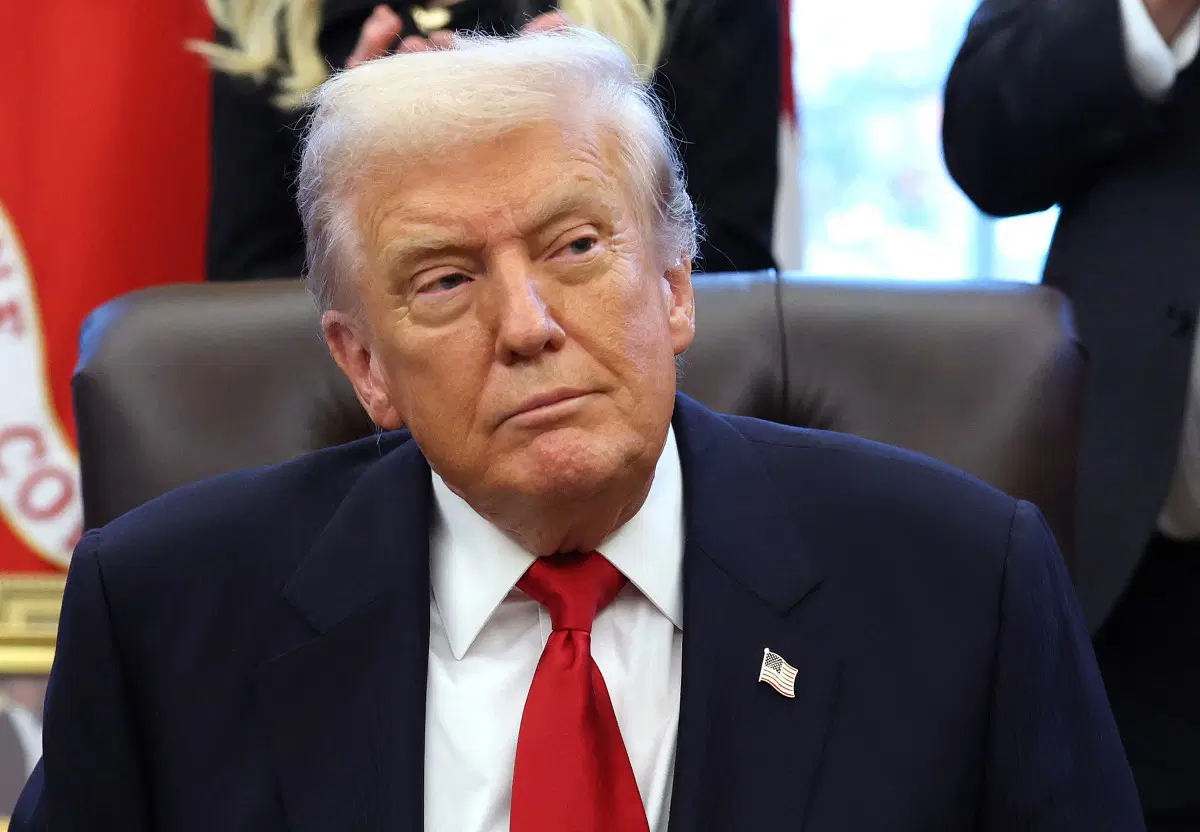
In a bold move, former U.S. President Donald Trump issued a stark warning to Canada, threatening a 100% tariff on all goods coming across the border if the country moves forward with a trade agreement with China. The statement, shared on Trump’s Truth Social platform, reflects his aggressive “America First” stance, where tariffs are used as a key negotiation tool.
Trump warned Canadian Prime Minister Mark Carney that the U.S. would not tolerate Canada becoming a “drop-off port” for Chinese goods looking to bypass U.S. trade restrictions. The rhetoric raises significant concerns about the future of U.S.-Canada trade relations and the broader geopolitical landscape.
Should Canada pursue closer economic ties with China, it could find itself in a difficult position—caught between maintaining its longstanding relationship with the U.S. and exploring new opportunities in the global market, particularly with China, a rising economic powerhouse. The real question is whether Trump’s 100% tariff threat is merely a negotiating tactic or a move with serious long-term consequences for both nations.