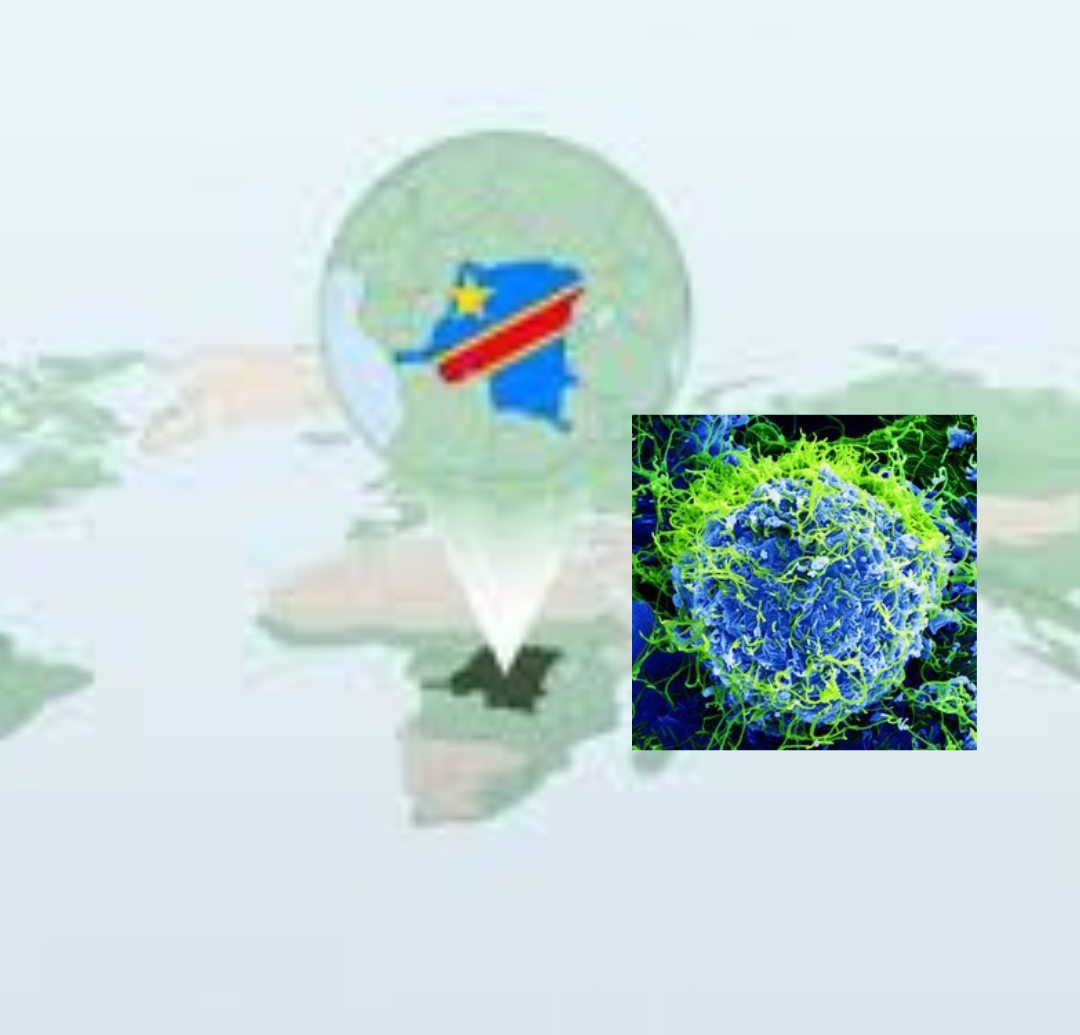



The World Health Organization (WHO) has declared the ongoing Ebola outbreak in the eastern Ituri province of the Democratic Republic of Congo (DR Congo) a Public Health Emergency of International Concern following rising infections and deaths linked to the virus.
According to the WHO, the outbreak has recorded about 246 suspected cases and at least 80 deaths so far, although the agency clarified that the situation has not yet met the threshold for a pandemic emergency.
WHO Director-General Dr. Tedros Adhanom Ghebreyesus warned that there are still major uncertainties surrounding the actual number of infections and the geographic spread of the outbreak.
Health authorities confirmed that the current outbreak is being caused by the Bundibugyo strain of the Ebola virus, for which there are currently no approved vaccines or specific treatments.
The WHO disclosed that eight laboratory-confirmed cases have already been identified, with additional suspected cases and fatalities reported across three major health zones, including Bunia — the capital of Ituri province — and the gold-mining towns of Mongwalu and Rwampara.
The outbreak has also crossed borders into neighbouring Uganda, where two confirmed cases have been reported. Ugandan health officials confirmed that a 59-year-old man who died on Thursday tested positive for the virus.
The WHO warned that neighbouring countries face a high risk of further spread due to cross-border movement, trade activities, and regional travel.
To contain the outbreak, the global health agency urged DR Congo and Uganda to establish emergency operation centres to strengthen monitoring, contact tracing, and infection prevention measures.
The WHO also advised that infected individuals should be isolated immediately and treated until they test negative twice for the Bundibugyo virus at least 48 hours apart.
Countries sharing borders with affected regions have been urged to intensify surveillance and strengthen health reporting systems.
However, the WHO cautioned against border closures or restrictions on travel and trade, stressing that such measures are often driven by fear rather than scientific evidence.
Ebola, first discovered in 1976 in what is now DR Congo, is believed to originate from bats and spreads through direct contact with bodily fluids or broken skin.
The disease causes severe fever, fatigue, vomiting, diarrhoea, internal bleeding, and organ failure, with an average fatality rate of around 50 percent.
This marks DR Congo’s 17th Ebola outbreak, with the country previously recording its deadliest epidemic between 2018 and 2020, during which nearly 2,300 people lost their lives.